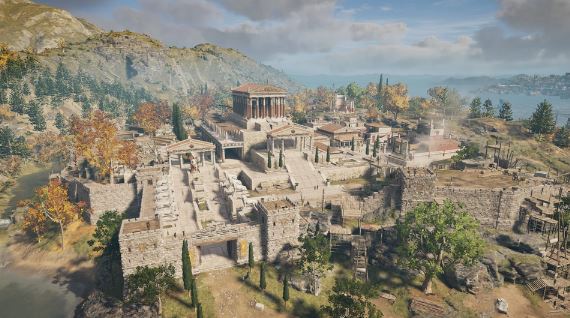
Amphipolis, located in northern Greece near the river Strymon, is a site of significant historical and archaeological importance. Founded in the 5th century BCE, Amphipolis played a key role in ancient Greek history, particularly during the classical and Hellenistic periods. This article provides a broad and detailed look at Amphipolis, exploring its history, archaeological significance, and its role in various historical events.
Historical Background
Amphipolis was strategically situated at the junction of several major trade routes, which contributed to its prosperity and importance in ancient times.
- Founding and Early History:
- Foundation: The city was originally founded by the Athenians in 437 BCE as a military and commercial outpost. Its location, on the east bank of the river Strymon, allowed it to control important trade routes and resources, including timber and precious metals.
- Strategic Importance: Amphipolis was pivotal due to its location near the gold mines of Mount Pangaeum and its position as a gateway to the hinterlands of Thrace. Its strategic value made it a target for various regional powers throughout its history.
- Role in the Peloponnesian War:
- Conflict with Sparta: During the Peloponnesian War (431-404 BCE), Amphipolis became a focal point of conflict between Athens and Sparta. The city’s capture by the Spartan general Brasidas in 424 BCE was a significant blow to Athenian interests in the region.
- Athenian Reconquest: After Brasidas’s death in 422 BCE, the Athenians managed to regain control of Amphipolis, but the city continued to be a point of contention in the ongoing struggle between the two city-states.
Archaeological Significance
Amphipolis is renowned for its rich archaeological heritage, including well-preserved ruins, monumental structures, and important artifacts.
- Key Archaeological Discoveries:
- The Amphipolis Lion: One of the most famous artifacts discovered at Amphipolis is the Amphipolis Lion, a large marble statue believed to have been erected in the 4th century BCE. This statue is thought to have been a funerary monument and remains a symbol of the city’s historical significance.
- The Kasta Tomb: In 2012, the discovery of the Kasta Tomb in the area surrounding Amphipolis made headlines. This large and elaborately decorated tomb dates back to the 4th century BCE and is believed to belong to a prominent Macedonian figure. The tomb’s grandeur and its intricate murals offer valuable insights into the funerary practices and artistic achievements of the time.
- Architectural Features:
- City Layout: The ruins of Amphipolis reveal a well-planned city layout, including a grid of streets, public buildings, and residential areas. The city’s architecture reflects its strategic importance and the influence of both Greek and Macedonian styles.
- The Walls and Gates: Remnants of the city’s defensive walls and gates highlight its role as a fortified settlement. The fortifications were designed to protect the city from invaders and secure its vital trade routes.
Historical Events and Figures
Several important historical events and figures are associated with Amphipolis, highlighting its role in ancient Greek history.
- Alexander the Great:
- Role in Alexander’s Campaigns: Amphipolis was a significant city in the region during the reign of Alexander the Great. It served as a base for his campaigns and played a role in his consolidation of power in Macedonia and beyond.
- Alexander’s Influence: Although Alexander himself did not extensively alter the city, his influence on the region contributed to its continued importance and development during the Hellenistic period.
- Roman Period:
- Integration into the Roman Empire: After the Roman conquest of Macedonia, Amphipolis became part of the Roman Empire. The city continued to thrive under Roman rule, benefiting from its strategic location and its role as a regional hub.
- Roman Legacy: Roman influence is evident in the archaeological remains of Amphipolis, including infrastructure such as roads and aqueducts, which were constructed to integrate the city into the broader Roman administrative and economic system.
Modern Significance and Preservation
Today, Amphipolis is an important archaeological site and a symbol of the rich historical heritage of northern Greece.
- Tourism and Education:
- Visitor Attractions: The archaeological site of Amphipolis attracts visitors and scholars from around the world. The well-preserved ruins, including the Lion of Amphipolis and the Kasta Tomb, offer a glimpse into the city’s illustrious past.
- Educational Programs: Ongoing archaeological research and preservation efforts at Amphipolis contribute to our understanding of ancient Greek history and culture. Educational programs and museum exhibitions help to disseminate knowledge about the city’s historical significance.
- Preservation Efforts:
- Conservation Projects: Various conservation projects are underway to protect and preserve the archaeological remains of Amphipolis. These efforts aim to ensure that the site remains accessible to future generations and continues to provide valuable insights into the ancient world.
Amphipolis stands as a testament to the rich and complex history of ancient Greece. From its strategic importance in classical antiquity to its role in the Hellenistic and Roman periods, the city has played a significant role in shaping the region’s history. Its archaeological remains, including monumental structures and artifacts, offer valuable insights into the life and culture of ancient Greece.
As ongoing research and preservation efforts continue, Amphipolis remains a key site for understanding the historical and cultural legacy of the ancient world.