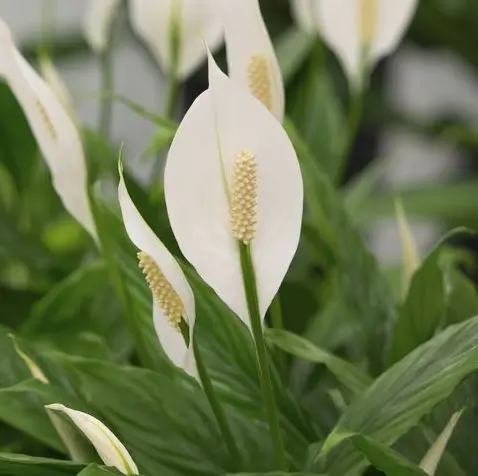
Alismatales, an order of monocotyledonous flowering plants, is a fascinating group with a significant ecological presence, particularly in aquatic environments. This order includes a diverse range of plants, from the well-known water plantains to seagrasses that play a crucial role in marine ecosystems. In this article, we will explore the characteristics, ecological importance, and diversity of Alismatales, providing a comprehensive yet easily understandable overview of this unique plant order.
What is Alismatales?
Alismatales is an order within the class Liliopsida, encompassing a variety of aquatic and semi-aquatic plants. Monocots, including those in Alismatales, typically have a single cotyledon (embryonic leaf) in their seeds. This order is diverse, with around 14 families, 165 genera, and over 4,500 species. The plants in Alismatales are predominantly found in wet habitats such as marshes, swamps, and freshwater and marine environments, making them integral to many aquatic ecosystems.
Key Characteristics of Alismatales
Plants within the Alismatales order share several key characteristics:
- Aquatic or Semi-Aquatic Nature: Most species in Alismatales are adapted to life in water or moist environments. This adaptation is evident in their structure, which often includes long, flexible stems and leaves that can float or be submerged.
- Simple Flowers: The flowers of Alismatales plants are typically simple and often unisexual. While they may not be as showy as those in other plant orders, they are efficient at reproducing in their aquatic environments.
- Rhizomes and Tubers: Many Alismatales species have rhizomes or tubers, which are underground stems that store nutrients. These structures allow the plants to survive in fluctuating water levels and poor nutrient conditions.
- Leaves: The leaves of Alismatales plants can vary significantly, from the broad, floating leaves of water lilies to the long, ribbon-like leaves of seagrasses. These adaptations help the plants thrive in their specific aquatic habitats.
Diversity Within Alismatales
The Alismatales order is home to a wide range of plants, each adapted to their unique environment. Some of the most notable families include:
- Alismataceae (Water Plantain Family): This family includes aquatic plants like Alisma and Sagittaria, commonly found in marshes and ponds. These plants have broad, floating leaves and produce small, white flowers. Water plantains are often used in water gardens and are known for their ability to thrive in stagnant water.
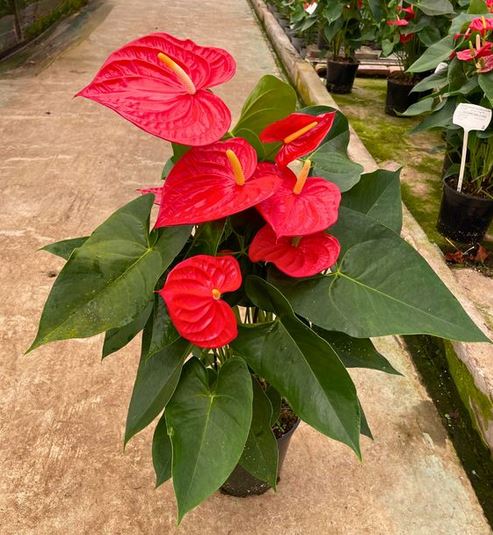
- Araceae (Arum Family): The Arum family is one of the most diverse within Alismatales, containing species like Arum, Philodendron, and Anthurium. These plants are often characterized by their spathes and spadices—unique floral structures that are both functional and ornamental. Many Araceae species are popular in indoor gardening and landscaping.
- Hydrocharitaceae (Frog’s-bit Family): This family includes a variety of submerged and floating aquatic plants such as Elodea, Hydrilla, and Vallisneria. These plants are crucial in maintaining healthy aquatic ecosystems, providing oxygen and habitat for aquatic animals. They are also widely used in aquariums.
- Posidoniaceae and Zosteraceae (Seagrasses): Seagrasses like Posidonia and Zostera are vital components of marine environments, forming dense underwater meadows that support diverse marine life. These plants are adapted to saltwater conditions and play a critical role in coastal ecosystems by stabilizing sediments and providing food and shelter for marine organisms.
Ecological Importance of Alismatales
Alismatales plants are not just interesting from a botanical perspective—they are essential to the health and stability of aquatic ecosystems:
- Habitat Formation: Many Alismatales species, especially seagrasses, form extensive underwater meadows that serve as crucial habitats for a wide range of marine and freshwater species. These habitats are nurseries for fish, feeding grounds for birds, and homes for invertebrates.
- Water Quality Improvement: Aquatic plants in the Alismatales order play a significant role in maintaining water quality. They absorb nutrients, reduce water turbidity, and oxygenate the water, creating a balanced and healthy ecosystem. This is particularly important in preventing algal blooms and maintaining the overall health of aquatic environments.
- Soil Stabilization: The root systems of Alismatales plants, particularly those of seagrasses, help stabilize sediments in both freshwater and marine environments. This prevents erosion and protects coastlines from the damaging effects of storms and rising sea levels.
- Carbon Sequestration: Seagrasses are incredibly efficient at sequestering carbon dioxide, making them vital in the fight against climate change. By storing carbon in their biomass and in the sediments they stabilize, seagrasses help mitigate the impact of greenhouse gases.
Human Uses and Cultural Significance
Alismatales plants have been used by humans for various purposes throughout history:
- Medicinal Uses: Many plants in the Araceae family have been used in traditional medicine. For example, Colocasia esculenta (taro) is a staple food in many cultures and is also used medicinally to treat digestive issues.
- Ornamental Gardening: Plants like Anthurium and Philodendron are popular in ornamental gardening due to their unique and attractive flowers and foliage. They are commonly used in indoor and outdoor landscaping, adding aesthetic value to homes and gardens.
- Aquarium Plants: Species such as Elodea and Vallisneria are widely used in aquariums to provide oxygen and habitat for fish. These plants are easy to grow and help maintain a balanced ecosystem within the tank.
- Agricultural Significance: Some Alismatales species, like taro, are cultivated as important food crops in tropical and subtropical regions. Taro is rich in carbohydrates and is a dietary staple in many Pacific Island cultures.
Conservation Challenges
Despite their ecological importance, many Alismatales species face significant threats from human activities:
- Habitat Destruction: Coastal development, pollution, and agricultural expansion have led to the destruction of critical habitats for many Alismatales species. Seagrass meadows, in particular, are under threat from coastal development and water pollution.
- Climate Change: Rising sea levels and increasing water temperatures due to climate change pose significant risks to aquatic plants. Seagrasses are particularly vulnerable, as changes in water quality and temperature can lead to large-scale die-offs.
- Invasive Species: The introduction of non-native species can disrupt the balance of ecosystems where Alismatales plants are found. For example, invasive aquatic plants can outcompete native species, leading to a loss of biodiversity.
Conservation efforts are essential to protect the diverse species within Alismatales. This includes protecting their natural habitats, restoring degraded ecosystems, and implementing sustainable management practices. Public awareness and education about the importance of these plants can also contribute to their conservation.Alismatales
Alismatales is a diverse and ecologically significant order of plants that play a vital role in aquatic environments around the world. From seagrass meadows that support marine life to the ornamental arums that brighten our homes, these plants are integral to both natural ecosystems and human culture.
Understanding and conserving Alismatales is crucial for maintaining the health of our planet’s water systems. As we face growing environmental challenges, the protection of these plants and their habitats will be essential in ensuring a sustainable future for all life on Earth. Whether you’re a botanist, a gardener, or simply someone who appreciates the beauty of nature, the world of Alismatales offers endless opportunities for exploration and discovery.