In ancient Rome, a key figure responsible for keeping the city running smoothly was the aedile. Introduced around 366 BCE, this role was crucial for maintaining both the city’s infrastructure and its vibrant public life. Aediles were not just administrators; they were vital to the daily experiences of Roman citizens and played a significant role in shaping the city’s culture.
The Aedile’s Role and Responsibilities
1. Historical Background
- Origins and Evolution: The aedile office began in 366 BCE, initially with two officials. Over time, additional aediles were introduced, including the more prestigious curule aediles, who had higher social status and greater responsibilities.
- Career Path: Serving as an aedile was a significant step in the cursus honorum, the sequence of public offices in Rome. It was often the first major role on the path to higher positions like quaestor, praetor, or consul.
2. Key Responsibilities
- Managing Public Works: Aediles oversaw the maintenance of Rome’s infrastructure. They ensured roads, public buildings, and essential urban facilities were in top condition.
- City Maintenance: They were responsible for public amenities such as baths and aqueducts. This upkeep was vital for daily life, ensuring that citizens had access to clean water and hygiene facilities.
- Organizing Festivals and Games: Aediles planned and financed public events like theatrical performances, gladiatorial contests, and religious festivals. These events were not only entertainment but also a way for aediles to showcase their wealth and generosity.
- Regulating Markets: They supervised the markets, ensuring fair trade practices and controlling prices. This role was essential for economic stability and consumer protection.
- Ensuring Public Order: Aediles enforced laws related to public behavior and sanitation. They managed waste removal, street cleaning, and other aspects of urban cleanliness to maintain public health.
3. Selection and Tenure
- Election Process: Roman citizens elected aediles, usually from individuals who had previously held other public positions. This role was a stepping stone in a political career.
- Term Duration: Aediles served a one-year term. They were expected to perform their duties efficiently, often supported by a team of assistants.
4. Legacy and Impact
- Administrative Efficiency: Aediles were key to Rome’s efficient administration. Their management of infrastructure and public services was crucial for the city’s development and upkeep.
- Political Influence: The aedile role was an important step for many Roman elites, helping them build a positive public image and support for future political ambitions.
- Cultural Contributions: Public festivals and games organized by aediles were significant cultural events. They reflected Roman society’s values and entertainment preferences, contributing to the city’s vibrant culture.
5. Notable Aediles
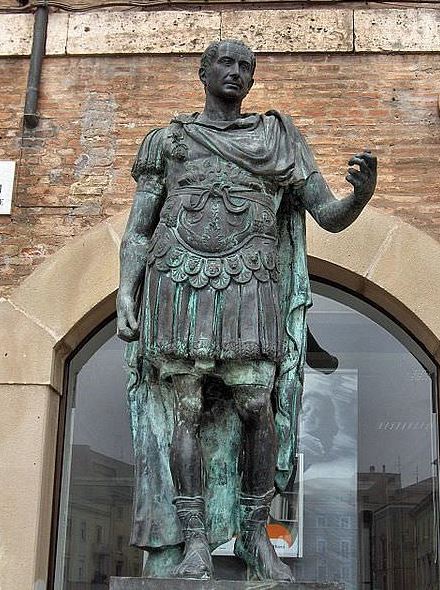
- Gaius Julius Caesar: Before becoming a renowned general and dictator, Julius Caesar served as an aedile in 65 BCE. His tenure was notable for the extravagant games and public spectacles he organized, which helped boost his popularity.
The aedile played a multifaceted role in ancient Rome, managing public infrastructure, organizing festivals, and maintaining public order. Their work was vital to the city’s daily life and political landscape, shaping both the functionality and the cultural vibrancy of Rome.