Iran, officially known as the Islamic Republic of Iran, is a country located in Western Asia. It is the 18th largest country in the world by land area and has a rich history that spans thousands of years. Iran is known for its cultural heritage, significant geopolitical role, and complex socio-political landscape.
Historical Background
1. Ancient Persia
Iran’s history dates back to ancient Persia, one of the world’s oldest civilizations. The Achaemenid Empire (550–330 BCE), founded by Cyrus the Great, was the first Persian Empire and known for its impressive achievements in administration and culture. The empire’s extensive network of roads and innovative bureaucracy set standards for future civilizations.
2. Islamic Era
The Islamic era began in the 7th century CE when the Arab Muslims conquered Persia. The subsequent Safavid dynasty (1501–1736) established Shi’a Islam as the state religion, shaping Iran’s religious and cultural identity. The Qajar dynasty (1789–1925) followed, and the Pahlavi dynasty (1925–1979) marked a period of modernization and reform.
Political Structure
1. The Islamic Republic
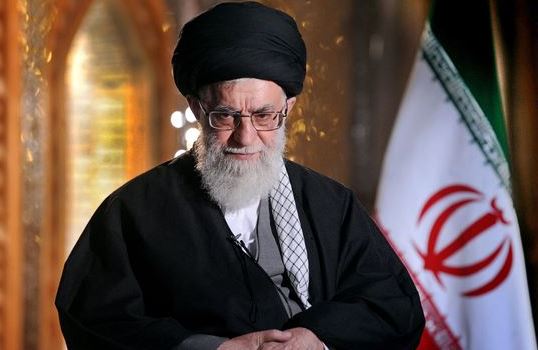
Iran became an Islamic Republic in 1979 following the Iranian Revolution, which led to the overthrow of the Pahlavi monarchy. The new political system combines elements of both theocratic and democratic governance. The Supreme Leader, currently Ali Khamenei, holds significant power over all branches of government, including the military and judiciary.
2. Government Institutions
- Supreme Leader: The highest authority in Iran, responsible for overseeing the executive, legislative, and judicial branches. The Supreme Leader has significant influence over foreign policy and the military.
- President: The President of Iran is elected every four years and is responsible for the executive branch. The President oversees the administration but operates under the Supreme Leader’s guidance.
- Parliament: The Iranian Parliament, or Majlis, is composed of representatives elected by the public. It is responsible for making laws and approving the budget.
- Judiciary: The judicial system in Iran is influenced by Islamic law, with the Supreme Court being the highest judicial authority.
Geography and Climate
1. Geographical Features
Iran is characterized by diverse geographical features, including mountain ranges such as the Zagros and Alborz. The country’s landscape includes deserts like the Dasht-e Kavir and Dasht-e Lut, as well as fertile plains and coastal regions along the Caspian Sea and the Persian Gulf.
2. Climate
Iran’s climate varies widely from region to region. The coastal areas along the Caspian Sea experience a humid climate, while the central and eastern regions have arid and semi-arid conditions. The mountainous regions have a temperate climate, with colder temperatures and snowfall.
Economy
1. Oil and Gas Industry
Iran has one of the largest reserves of oil and natural gas in the world. The oil and gas sector is a major component of the Iranian economy, significantly influencing its global economic interactions. The country is a member of the Organization of the Petroleum Exporting Countries (OPEC).
2. Economic Challenges
Iran faces economic challenges, including international sanctions related to its nuclear program and internal issues such as inflation and unemployment. The government has been working on economic reforms and diversifying the economy to reduce reliance on oil.
Culture and Society
1. Cultural Heritage
Iran has a rich cultural heritage that includes contributions to literature, art, and architecture. Persian poetry, particularly the works of Rumi and Hafez, has had a profound influence on world literature. Iranian art and architecture, including the design of Persian gardens and historical mosques, are celebrated for their beauty and sophistication.
2. Religious and Social Life
Iran is predominantly Shia Muslim, and Islam plays a central role in daily life and cultural practices. The country is also home to religious minorities, including Christians, Jews, Zoroastrians, and Baha’is. Social customs and traditions are influenced by both Islamic principles and pre-Islamic Persian culture.
International Relations
1. Regional Influence
Iran is a key player in the Middle East, with significant influence in regional politics. It has been involved in various regional conflicts and has alliances with groups such as Hezbollah in Lebanon and the Houthis in Yemen. Iran’s role in regional politics is a major factor in its foreign relations.
2. International Relations
Iran’s international relations are shaped by its nuclear program and regional policies. The country has faced tensions with Western nations, particularly the United States, over its nuclear ambitions. Despite these tensions, Iran has sought to build relationships with other countries and engage in diplomacy to address its international challenges.
Iran is a nation of immense historical, cultural, and geopolitical significance. Its rich heritage, complex political structure, and strategic importance in the Middle East make it a focal point of global interest. As Iran navigates its internal and external challenges, its role in regional and international affairs continues to evolve.