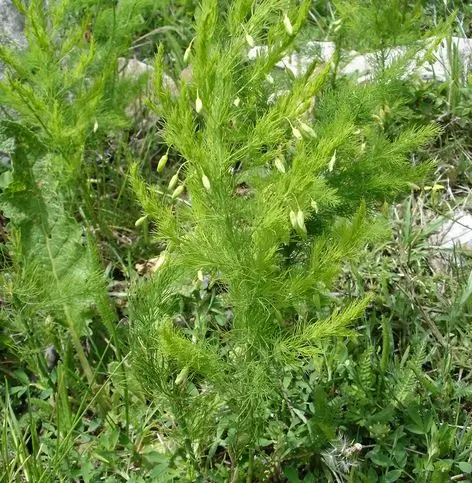
Asparagales, a fascinating order of flowering plants, encompasses a wide variety of species, from the commonly known asparagus and orchids to lesser-known but equally intriguing plants like agaves and yuccas. This order plays a significant role in both natural ecosystems and human agriculture. In this article, we will delve into the characteristics, diversity, and importance of Asparagales, as well as its role in our environment and culture.
What is Asparagales?
Asparagales is one of the largest orders of monocotyledonous (monocots) flowering plants. Monocots are plants that typically have one embryonic leaf, or cotyledon, in their seeds, as opposed to dicots, which have two. Asparagales is part of the larger group known as the Liliopsida, which also includes other orders like Liliales and Poales.
This order is incredibly diverse, containing over 16 families, around 1,100 genera, and more than 36,000 species. The plants within Asparagales vary greatly in form, ranging from small, delicate orchids to towering agaves. They can be found in a wide range of habitats, from tropical rainforests to arid deserts, making them one of the most ecologically versatile groups of plants.
Key Characteristics of Asparagales
Despite their diversity, plants within the Asparagales order share some common characteristics:
- Leaves: Many Asparagales species have long, narrow leaves, often arranged in a basal rosette. The leaves are typically linear to lanceolate, although some species, like orchids, have more varied leaf shapes.
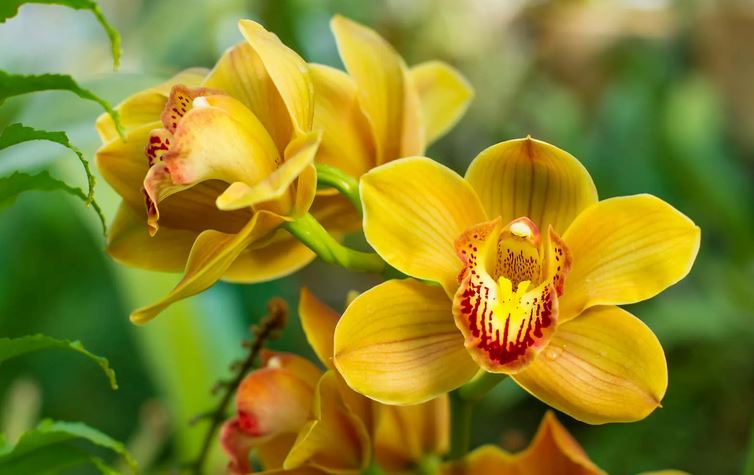
- Flowers: The flowers of Asparagales plants are usually arranged in inflorescences, which can be simple or complex. The flowers are often six-petaled and may be brightly colored or have intricate patterns, especially in orchids.
- Seeds: A distinctive feature of Asparagales is the presence of black, hard seeds in many species, often due to a thick, lignified seed coat. This characteristic is particularly noticeable in the agave and asparagus families.
- Underground Structures: Many Asparagales species have developed specialized underground storage organs, such as bulbs, corms, or rhizomes, which help them survive in adverse conditions. For example, asparagus has a rhizome, while onions, also part of Asparagales, grow from bulbs.
Diversity Within Asparagales
The diversity within Asparagales is astonishing, with several families that are well-known both botanically and culturally:
- Asparagaceae: This family includes asparagus (Asparagus officinalis), a popular vegetable crop. The family also contains ornamental plants like the spider plant (Chlorophytum comosum) and yuccas (Yucca spp.), which are known for their drought tolerance and striking appearance.
- Orchidaceae: Orchids are one of the largest and most diverse plant families, with over 25,000 species. They are famous for their complex flowers and symbiotic relationships with pollinators. Orchids are widely cultivated for their beauty and are a symbol of elegance and exoticism.
- Agavaceae: This family includes the agaves (Agave spp.), known for their rosettes of thick, fleshy leaves. Agaves are economically important, particularly in the production of tequila and other alcoholic beverages. They are also used in landscaping due to their drought-resistant qualities.
- Alliaceae: Commonly known as the onion family, Alliaceae includes well-known culinary plants like onions (Allium cepa), garlic (Allium sativum), and leeks (Allium ampeloprasum). These plants are integral to global cuisine and are valued for their distinctive flavors and medicinal properties.
Ecological and Economic Importance
Asparagales plants are crucial to both natural ecosystems and human economies:
- Pollination and Biodiversity: Many Asparagales plants have evolved intricate relationships with pollinators. Orchids, for example, often rely on specific insects for pollination, which has led to highly specialized flower structures. This close interaction between plants and pollinators supports biodiversity and the health of ecosystems.
- Agriculture and Horticulture: Numerous Asparagales species are cultivated for food, medicine, and ornamental purposes. Asparagus is a nutritious vegetable crop, while garlic and onions are staples in kitchens worldwide. Orchids are among the most popular ornamental plants, with thousands of hybrids and cultivars available for collectors and gardeners.
- Adaptation to Harsh Environments: Many Asparagales species are adapted to survive in extreme conditions, such as deserts and rocky outcrops. Agaves, for instance, are well-suited to arid environments due to their ability to store water in their leaves. These adaptations make them valuable for xeriscaping and sustainable landscaping in drought-prone areas.
Cultural Significance
The cultural significance of Asparagales plants is profound. In addition to their culinary and medicinal uses, these plants have been revered in various cultures for centuries. Orchids, in particular, have been symbols of beauty, love, and luxury in different societies. The agave plant holds cultural importance in Mexico, where it has been used for centuries in rituals, food, and drink production.
Conservation Challenges
Despite their ecological and cultural value, many Asparagales species face threats from habitat loss, climate change, and overharvesting. Orchids, especially, are vulnerable due to their specific habitat requirements and popularity in the horticultural trade. Conservation efforts are essential to protect these plants and ensure their survival for future generations.
Conservation strategies include habitat preservation, sustainable harvesting practices, and the cultivation of endangered species in botanical gardens. Public awareness and education about the importance of plant diversity and conservation can also play a crucial role in protecting these valuable species.
Asparagales is a remarkable order of plants that showcases the diversity and adaptability of the plant kingdom. From the asparagus on our plates to the orchids in our gardens, these plants enrich our lives in countless ways. Their ecological, economic, and cultural significance underscores the importance of preserving this diverse group for the benefit of future generations.
Understanding and appreciating the unique qualities of Asparagales not only enhances our knowledge of the natural world but also highlights the interconnectedness of life on Earth. Whether you’re a botanist, gardener, or simply a lover of nature, the world of Asparagales offers endless opportunities for discovery and wonder.