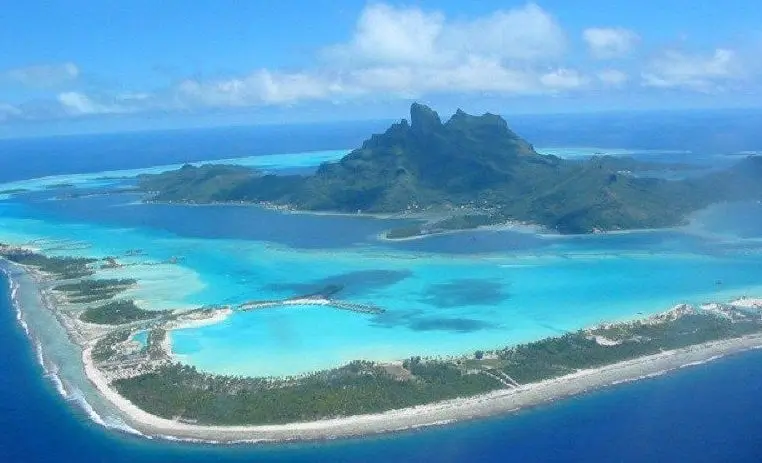
The Ashmore and Cartier Islands are two small groups of uninhabited islands located in the Indian Ocean, northwest of Australia. Despite their remote location, these islands are of significant ecological and geopolitical importance. This article explores the history, geography, ecology, and legal status of the Ashmore and Cartier Islands, offering a comprehensive yet accessible overview of these intriguing territories.
Location and Geography
The Ashmore and Cartier Islands are situated approximately 320 kilometers (200 miles) off the northwest coast of Australia, in the Timor Sea. The territory comprises two separate island groups:
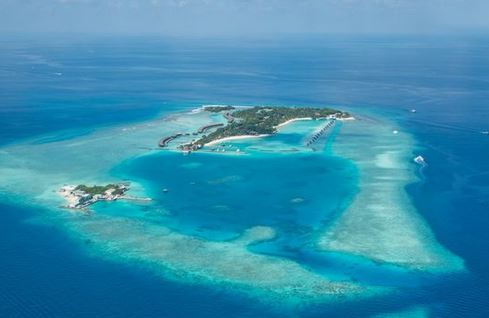
- Ashmore Reef: Consisting of three small islands—West, Middle, and East Islands—Ashmore Reef is a large, horseshoe-shaped reef. The reef encloses a shallow lagoon, which provides a vital habitat for various marine species.
- Cartier Island: Located about 70 kilometers (43 miles) southeast of Ashmore Reef, Cartier Island is a smaller reef system. Unlike Ashmore, Cartier Island is submerged at high tide, making it less prominent but still ecologically significant.
These islands are part of the external territories of Australia, specifically under the jurisdiction of the Department of Infrastructure, Transport, Regional Development, Communications and the Arts.
Ecological Significance
The Ashmore and Cartier Islands are recognized for their rich biodiversity, particularly in terms of marine life. The surrounding coral reefs and lagoons serve as breeding grounds and habitats for various species of fish, sea turtles, and seabirds.
- Marine Life: The reefs are home to a diverse range of coral species, fish, and invertebrates. Green turtles, hawksbill turtles, and a variety of seabirds such as the red-footed booby and lesser frigatebird are frequently spotted in the area. The islands’ waters are also known for the presence of sea snakes, including species like the Olive sea snake.
- Protected Area: Due to their ecological importance, the Ashmore Reef was declared a National Nature Reserve in 1983, followed by Cartier Island in 2000. These protections are aimed at preserving the unique marine environment and preventing overfishing and other activities that could harm the delicate ecosystems.
Historical Context
The history of the Ashmore and Cartier Islands is marked by European exploration, territorial claims, and strategic importance during the 19th and 20th centuries.
- European Discovery: The islands were first charted by European explorers in the early 19th century. The British claimed sovereignty over the islands in 1878, and they were later transferred to Australian control in 1931.
- World War II: During World War II, Cartier Island was used as a bombing range by the Allied forces. Although the island remains uninhabited, remnants of this period are still found on the seabed.
Legal Status and Territorial Disputes
The Ashmore and Cartier Islands hold geopolitical significance, particularly in terms of maritime boundaries and resource rights.
- Sovereignty: Australia’s sovereignty over the Ashmore and Cartier Islands is recognized internationally, but the islands have been the subject of occasional disputes with Indonesia, particularly concerning fishing rights and maritime boundaries.
- Maritime Boundaries: The islands are located near the Timor Gap, a region rich in oil and gas reserves. This proximity has made the surrounding waters strategically important for resource exploration and extraction. The maritime boundaries between Australia and Indonesia in this region have been the subject of negotiations and agreements over the years.
Environmental Challenges
While the Ashmore and Cartier Islands are protected, they face environmental challenges that require ongoing attention.
- Climate Change: Like many low-lying islands, Ashmore and Cartier are vulnerable to the impacts of climate change, particularly rising sea levels and ocean acidification, which threaten the coral reefs and the species that depend on them.
- Illegal Fishing: Despite protections, illegal fishing remains a concern in the waters around the islands. The Australian government has implemented strict enforcement measures, including patrols by the Australian Border Force, to protect the marine environment.
A Remote Yet Vital Territory
The Ashmore and Cartier Islands may be small and remote, but they are vital in terms of ecology, geopolitics, and conservation. These islands provide a unique glimpse into the delicate balance of marine ecosystems and the importance of preserving them for future generations. As protected areas, they continue to play a crucial role in maintaining biodiversity in the Indian Ocean, while also serving as a reminder of the complex history and strategic significance of even the most isolated corners of the world.