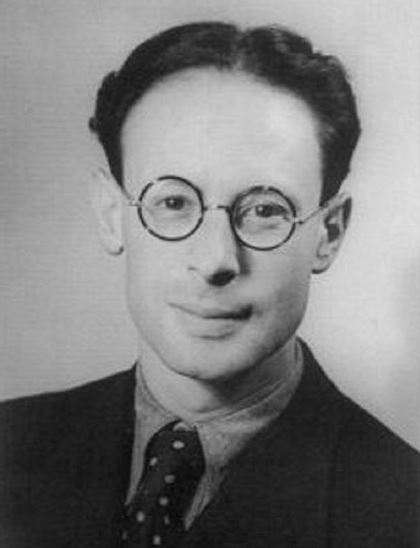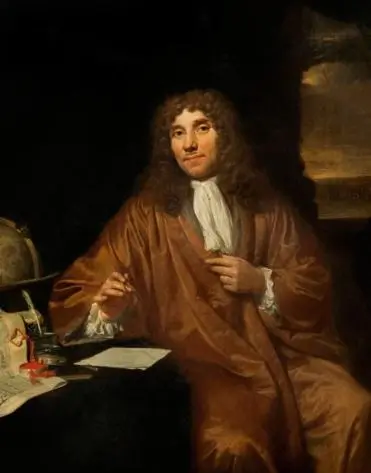
Antony van Leeuwenhoek (1632-1723) was a Dutch scientist whose groundbreaking work with microscopes revolutionized our understanding of the microscopic world. Often referred to as the “Father of Microbiology,” Leeuwenhoek’s meticulous observations laid the foundation for modern microbiology and contributed significantly to the field of natural science. This article explores his life, contributions, and the lasting impact of his work.
Early Life and Background
Born on October 24, 1632, in Delft, Netherlands, Antony van Leeuwenhoek was the son of a poor family. Despite limited formal education, his curiosity and self-driven study led him to a career in trade and science. Leeuwenhoek worked as a draper and merchant, which provided him with the resources and tools to pursue his scientific interests in microscopy.
The Development of the Microscope
Leeuwenhoek’s interest in lenses and magnification began when he was in his early thirties. He crafted his own microscopes, which were simple yet highly effective, using single lenses mounted in small holders. His microscopes were able to achieve magnifications of up to 275 times, a remarkable feat for his time.
Innovations in Microscopy
- Single-Lens Microscopes: Unlike compound microscopes of his era, which used multiple lenses, Leeuwenhoek’s microscopes utilized a single, highly polished lens. This design allowed for unprecedented clarity and detail in microscopic observations.
- Improvement in Lens Crafting: Leeuwenhoek’s skill in lens crafting was exceptional. He perfected the art of making high-quality lenses, which greatly enhanced the performance of his microscopes.
Major Discoveries
Leeuwenhoek’s observations with his microscopes led to several significant discoveries that shaped the field of microbiology:
- Discovery of Microorganisms: Leeuwenhoek was the first to observe and describe microscopic organisms, which he called “animalcules.” He identified bacteria, protozoa, and various types of single-celled organisms in water, soil, and the human mouth.
- Detailed Observations: His meticulous observations included descriptions of the structure and movement of microorganisms, such as the cilia of protozoa and the shape of bacteria. These findings were documented in detailed letters sent to the Royal Society of London.
- Blood Cells and Spermatozoa: Leeuwenhoek also described the structure of red blood cells and the presence of spermatozoa in animal semen. His work in these areas laid the groundwork for future research in physiology and reproduction.
Contributions to Science
Leeuwenhoek’s contributions extended beyond his discoveries. His rigorous methodology and detailed documentation set a high standard for scientific observation and reporting:
- Scientific Communication: Leeuwenhoek communicated his findings through letters to the Royal Society, which published his work and facilitated the spread of his discoveries across Europe. His correspondence was instrumental in sharing knowledge with other scientists of the time.
- Influence on Future Research: Leeuwenhoek’s work laid the foundation for the development of microbiology and cell theory. His observations were critical in advancing the understanding of the microscopic world and the role of microorganisms in health and disease.
Challenges and Legacy
Despite his significant contributions, Leeuwenhoek faced several challenges:
- Limited Formal Training: Leeuwenhoek had no formal scientific training, which made it difficult for him to be fully recognized by the scientific community during his lifetime.
- Recognition: While Leeuwenhoek was eventually acknowledged for his contributions, his work was often overshadowed by the advancements of later scientists. Nonetheless, his impact on science is now widely recognized and celebrated.
Lasting Impact
- Founding Microbiology: Leeuwenhoek is often credited with founding microbiology due to his pioneering work with microscopes and microorganisms. His discoveries laid the groundwork for future research and the development of the field.
- Inspiration for Scientists: Leeuwenhoek’s curiosity, ingenuity, and dedication continue to inspire scientists and researchers. His approach to scientific observation and experimentation remains a model for modern scientific practices.
Antony van Leeuwenhoek was a trailblazer in the field of microscopy, whose groundbreaking work unveiled a hidden world of microorganisms and revolutionized our understanding of biology. His innovations in microscope design and his detailed observations laid the foundation for microbiology and left an indelible mark on science.
By delving into Leeuwenhoek’s life and work, we gain insight into the origins of microbiology and the importance of curiosity-driven research. His legacy endures through the continued exploration of the microscopic world and the advancement of scientific knowledge.