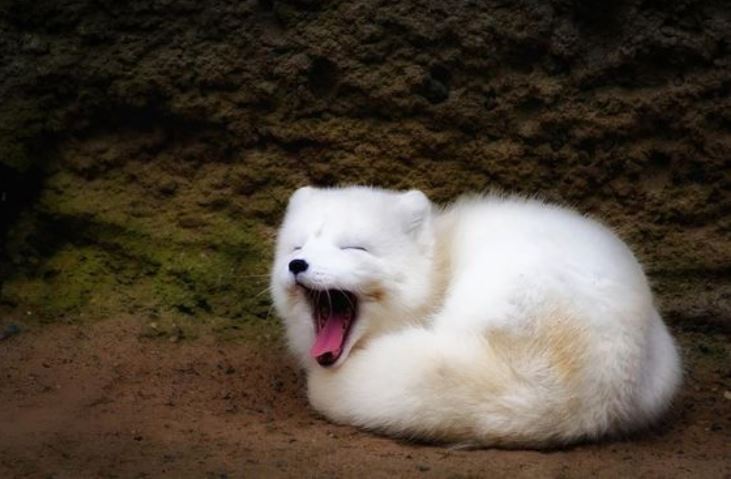
The Arctic fox (Alopex lagopus) is a fascinating creature perfectly adapted to life in the harsh environments of the Arctic. Known for its stunning white fur and remarkable survival skills, this small mammal plays a crucial role in its ecosystem. This article delves into the biology, behavior, and conservation of the Arctic fox, highlighting its unique adaptations and the challenges it faces in a rapidly changing world.
Overview of Alopex lagopus
The Arctic fox (Alopex lagopus) is a small, resilient predator native to the Arctic region. Adapted to extreme cold and variable conditions, this species exhibits a range of unique characteristics that enable it to thrive in one of the harshest environments on Earth.
- Physical Characteristics: The Arctic fox is well-known for its dense, insulating fur, which changes color with the seasons. In winter, its fur is a pristine white, providing excellent camouflage against the snow. During the summer, its coat transitions to a brown or gray coloration to blend in with the tundra’s rocky and grassy terrain.
- Size and Appearance: Arctic foxes are compact animals, with a body length ranging from 46 to 68 cm (18 to 27 inches) and a tail length of 30 to 50 cm (12 to 20 inches). They typically weigh between 3.5 and 9 kg (7.7 to 19.8 lbs), with males being slightly larger than females. Their rounded body shape and short limbs help minimize heat loss, making them well-suited for cold environments.
Habitat and Distribution
The Arctic fox is found throughout the Arctic regions, including parts of Alaska, Canada, Greenland, Iceland, Norway, Sweden, and Russia. It inhabits a variety of Arctic landscapes, from icy coastal areas to tundra and mountain regions.
- Adaptations to Extreme Cold: Arctic foxes have evolved several adaptations to survive in their frigid habitat. Their thick fur provides insulation against the cold, and their small size helps conserve body heat. Additionally, they have a low metabolic rate, which reduces their energy needs during periods of scarce food availability.
- Behavior and Lifestyle: Arctic foxes are primarily solitary animals, except during the breeding season. They are highly adaptable and opportunistic feeders, consuming a diet that includes small mammals, birds, eggs, and carrion. During the winter, they rely on their keen sense of hearing and smell to locate prey beneath the snow.
Reproduction and Life Cycle
The reproductive cycle of the Arctic fox is closely tied to the seasonal availability of resources.
- Breeding Season: Breeding typically occurs in late March to early May, with a gestation period of about 52 days. Arctic foxes are monogamous, often forming long-term pair bonds. The female gives birth to a litter of 5 to 10 pups in a den, which can be located in a variety of terrains, including burrows, rocky crevices, or abandoned dens of other animals.
- Pup Rearing: After birth, both parents are involved in raising the pups. The female nurses the young, while the male provides food for the family. The pups are born blind and helpless but grow rapidly, beginning to venture outside the den within a few weeks. By autumn, they are typically independent and ready to fend for themselves.
Diet and Hunting
The Arctic fox’s diet is diverse and adapted to the seasonal availability of food.
- Winter Diet: During the winter, Arctic foxes primarily hunt small mammals such as lemmings, voles, and hares. They use their acute sense of hearing to detect prey beneath the snow and employ a distinctive hunting technique known as “pouncing,” where they leap into the air and dive headfirst into the snow.
- Summer Diet: In the summer, their diet expands to include birds, eggs, insects, and berries. They also scavenge from other predators, such as polar bears, and take advantage of carrion.
Conservation and Threats
Despite their adaptability, Arctic foxes face several threats that impact their populations.
- Climate Change: One of the primary threats to the Arctic fox is climate change, which is affecting the Arctic environment. Warming temperatures lead to changes in prey availability and habitat loss. Additionally, the reduction in sea ice affects the availability of marine resources.
- Competition and Predation: The expansion of the red fox (Vulpes vulpes) into Arctic regions poses a threat to Arctic foxes, as the larger red fox competes for food and may prey on young Arctic foxes.
- Human Activities: Habitat disturbance due to human activities, such as mining and infrastructure development, also poses risks to Arctic fox populations. Additionally, hunting and trapping for fur have historically impacted their numbers, though conservation efforts have mitigated some of these effects.
Conservation Efforts and Future Outlook
Efforts to conserve Arctic foxes focus on understanding their ecology and mitigating the impacts of environmental changes.
- Monitoring and Research: Ongoing research aims to monitor Arctic fox populations, track changes in their habitat, and assess the impacts of climate change. This research helps inform conservation strategies and management practices.
- Protected Areas: Establishing and maintaining protected areas in Arctic regions helps safeguard important habitats for Arctic foxes and other wildlife. These protected areas also support broader conservation efforts to preserve the Arctic ecosystem.
- International Collaboration: Addressing the challenges facing Arctic foxes requires international collaboration, as their range spans multiple countries. Conservation initiatives often involve cooperation between governments, NGOs, and local communities.
The Arctic fox (Alopex lagopus) is a remarkable species with unique adaptations that enable it to thrive in one of the world’s most challenging environments. Understanding its biology, behavior, and conservation needs is essential for ensuring its survival in a rapidly changing world. Continued research and conservation efforts will be vital in preserving this iconic Arctic species and its habitat.