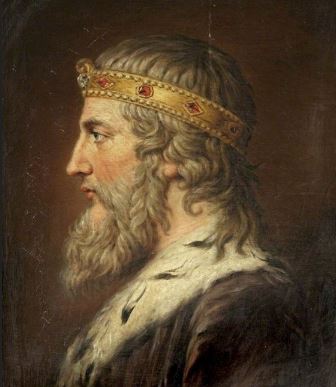
Alfred the Great, born in 849 and reigned from 871 to 899, is one of England’s most celebrated monarchs. Renowned for his military prowess, administrative reforms, and contributions to education, Alfred’s legacy extends beyond his battlefield achievements. This article explores the life, reign, and impact of Alfred the Great, offering a detailed look into his role in shaping medieval England.
Early Life and Background
Alfred was born into the House of Wessex, the son of King Æthelwulf of Wessex. He was the youngest of five children, with his siblings including notable figures such as King Æthelbald and King Æthelred. From a young age, Alfred was groomed for leadership, showing remarkable intelligence and a keen interest in learning.
Ascension to the Throne
In 871, Alfred ascended to the throne after the death of his brother Æthelred. His reign began during a tumultuous period marked by Viking invasions. The Danes, led by Guthrum, had successfully conquered much of England, posing a significant threat to the Kingdom of Wessex.
Military Campaigns and Defense
Alfred’s most notable achievement was his defense against the Viking invasions. The Danes had almost overrun England, but Alfred’s strategic acumen turned the tide. Key aspects of his military campaign included:
- The Battle of Edington (878): Alfred’s decisive victory over Guthrum was crucial. This battle not only pushed the Vikings back but also led to the Treaty of Wedmore, which established a boundary between the Anglo-Saxon and Danish territories.
- Fortification and Military Strategy: Alfred understood the importance of strong defensive positions. He initiated the construction of a network of fortified towns (burhs) across Wessex, significantly strengthening the kingdom’s defenses.
- Naval Innovations: Alfred is credited with developing a more effective navy to combat Viking raids. His improvements in ship design and naval tactics helped secure England’s coastline and limit Viking incursions.
Administrative Reforms
Alfred’s reign was not solely defined by warfare. He implemented several key reforms that had a lasting impact on England:
- Legal Code: Alfred codified laws, blending traditional Anglo-Saxon customs with Christian principles. His legal reforms aimed to create a more just and orderly society.
- Education and Scholarship: Recognizing the importance of learning, Alfred promoted education and scholarship. He invited scholars to his court, translated important Latin texts into Old English, and established a revival of learning and literacy.
- Economic Policies: Alfred worked to improve the economic stability of his kingdom. He reformed the coinage system, which helped stabilize the economy and facilitated trade.
Cultural and Religious Contributions
Alfred the Great’s reign also saw significant cultural and religious developments:
- Support for the Church: Alfred was a devout Christian who supported the church and its institutions. He worked closely with religious leaders and promoted the Christian faith across his kingdom.
- Literary Achievements: Alfred’s interest in literature led to the translation of several key works into Old English. These included texts such as Bede’s Ecclesiastical History of the English People, which played a crucial role in preserving and disseminating knowledge.
- Historical Legacy: Alfred’s reign is chronicled in works like the Anglo-Saxon Chronicle, which provides valuable insights into his policies, battles, and contributions to English history.
Legacy and Impact
Alfred the Great’s influence extended far beyond his lifetime:
- Cultural Hero: Alfred is celebrated as a national hero in England. His efforts to defend his kingdom and reform his society left a lasting legacy that is remembered and honored in English history.
- Influence on Successors: Alfred’s reforms and military strategies set a precedent for future English monarchs. His descendants, including his son Edward the Elder and grandson Athelstan, continued his work in consolidating and expanding the kingdom.
- Recognition and Honors: Alfred was posthumously recognized as a saint by some traditions, reflecting the deep respect he commanded. He remains a symbol of leadership, resilience, and wisdom.
Alfred the Great’s reign marked a transformative period in English history. His successful defense against Viking invasions, coupled with his administrative and cultural reforms, laid the foundation for the future of England. Alfred’s legacy as a warrior king, a lawmaker, and a patron of learning endures as a testament to his remarkable contributions to his kingdom and to Western civilization.
Alfred the Great remains a figure of profound historical significance, embodying the qualities of leadership and resilience that continue to inspire and inform our understanding of medieval England.