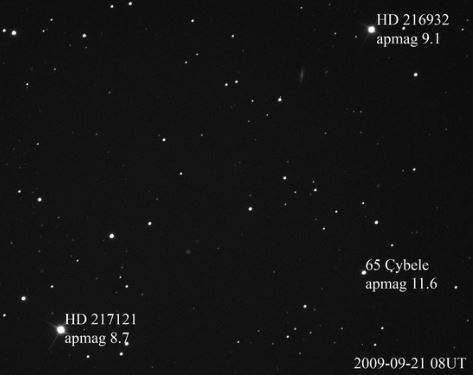
Apparent magnitude is a measure of the brightness of celestial objects as observed from Earth. This scale helps astronomers and stargazers quantify how bright an object appears in the night sky, regardless of its distance from Earth. The concept of apparent magnitude is fundamental in astronomy and is used to describe and compare the luminosity of stars, planets, and other celestial bodies.
Definition and Scale
1. What is Apparent Magnitude?
Apparent magnitude refers to the brightness of a celestial object as seen from Earth. It is a logarithmic scale, meaning that each whole number change in magnitude represents a change in brightness by a factor of approximately 2.5.
2. Magnitude Scale
The scale of apparent magnitude is designed such that:
- Lower Numbers: Represent brighter objects. For example, a star with an apparent magnitude of 1 is brighter than a star with a magnitude of 2.
- Higher Numbers: Represent fainter objects. For instance, a star with a magnitude of 6 is fainter than one with a magnitude of 5.
- Negative Magnitudes: Represent extremely bright objects. The Sun, for instance, has an apparent magnitude of about -26.7.
Historical Background
1. Ancient Origins
The concept of apparent magnitude dates back to ancient Greek astronomers. Hipparchus (2nd century BCE) and Ptolemy (2nd century CE) classified stars into six magnitudes, with the brightest stars being of the first magnitude and the faintest of the sixth magnitude.
2. Modern Developments
The modern scale was refined with the advent of telescopic observations and photographic techniques. The scale now extends beyond the original six magnitudes to include fainter objects.
Measuring Apparent Magnitude
1. Photometric Methods
Apparent magnitude is measured using photometric techniques, which involve observing the amount of light received from an object through various filters. Instruments like photometers and CCD cameras are used to determine the brightness of celestial objects with high precision.
2. Comparison to Standard Stars
Astronomers use standard stars of known magnitude to calibrate observations. By comparing the brightness of a target object to these standards, they can accurately determine its apparent magnitude.
Factors Affecting Apparent Magnitude
1. Distance
The apparent magnitude of an object can be influenced by its distance from Earth. More distant objects appear fainter due to the inverse square law, which states that brightness decreases with the square of the distance.
2. Interstellar Dust
Interstellar dust can absorb and scatter light, making distant objects appear fainter. This effect, known as extinction, can alter the apparent magnitude of celestial bodies.
3. Atmospheric Conditions
The Earth’s atmosphere can affect the apparent magnitude of celestial objects. Atmospheric turbulence, clouds, and air pollution can reduce the amount of light reaching an observer and impact measurements.
Apparent Magnitude vs. Absolute Magnitude
1. Apparent Magnitude
This measures how bright an object appears from Earth, influenced by both its intrinsic brightness and its distance from us.
2. Absolute Magnitude
In contrast, absolute magnitude measures the intrinsic brightness of an object. It is defined as the apparent magnitude of a celestial object if it were located at a standard distance of 10 parsecs from Earth. This allows for a comparison of the true luminosities of objects without the effects of distance.
Examples of Apparent Magnitude
1. Bright Celestial Objects
- The Sun: Has an apparent magnitude of approximately -26.7, making it the brightest object in the sky.
- Sirius: The brightest star in the night sky with an apparent magnitude of -1.46.
2. Fainter Objects
- Andromeda Galaxy: Has an apparent magnitude of about 3.4, visible to the naked eye under dark skies.
- Hubble Space Telescope: Observes objects with magnitudes much fainter than those visible to the naked eye, allowing astronomers to study distant galaxies and other celestial phenomena.
Apparent magnitude is a crucial concept in astronomy, providing a standardized way to describe and compare the brightness of celestial objects as seen from Earth. Understanding this measurement helps astronomers study the properties of stars, galaxies, and other astronomical objects, and facilitates a deeper appreciation of the universe’s vastness and diversity.