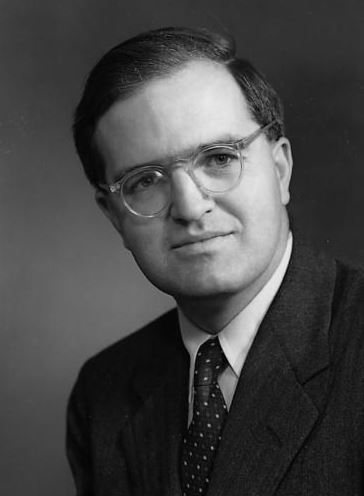
Aage Bohr, a prominent Danish physicist, made significant contributions to the understanding of atomic structure and nuclear physics. The son of Nobel laureate Niels Bohr, Aage Bohr’s work expanded on his father’s foundational theories and led to major advancements in nuclear models. This article explores Aage Bohr’s life, achievements, and impact on the field of physics.
Early Life and Education
Born on June 19, 1922, in Copenhagen, Denmark, Aage Bohr was the son of Niels Bohr, a Nobel Prize-winning physicist known for his groundbreaking work on atomic structure and quantum theory. Growing up in a family deeply involved in the scientific community, Aage Bohr was exposed to cutting-edge research from an early age.
- Academic Background: Aage Bohr pursued his higher education at the University of Copenhagen, where he followed in his father’s footsteps and delved into the study of physics. He earned his doctorate in 1954, focusing on the theoretical aspects of nuclear structure.
- Mentorship and Collaboration: Under the guidance of his father and other prominent physicists, Aage Bohr developed a strong foundation in nuclear physics. His early work involved collaborating with key figures in the field, which greatly influenced his research trajectory.
Contributions to Nuclear Physics
Aage Bohr’s most notable contributions are in the field of nuclear physics, particularly his development of the nuclear model and his work on the behavior of atomic nuclei.
- The Nuclear Model: Building on his father’s work, Aage Bohr contributed to the development of the nuclear shell model. This model describes the structure of atomic nuclei in terms of energy levels or “shells,” akin to the arrangement of electrons around an atom. Aage Bohr’s refinements to this model provided a deeper understanding of nuclear properties and behavior.
- Collective Model of Nuclei: In collaboration with Ben R. Mottelson and James Rainwater, Aage Bohr developed the collective model of the nucleus, which describes the nucleus as a combination of individual nucleons (protons and neutrons) and collective motion. This model helped explain the observed spectra of many atomic nuclei and played a crucial role in nuclear physics research.
- Nobel Prize in Physics: In 1975, Aage Bohr, along with Mottelson and Rainwater, was awarded the Nobel Prize in Physics for their pioneering work on the structure of atomic nuclei. This recognition highlighted the significance of their contributions to our understanding of nuclear physics.
Academic and Research Career
Throughout his career, Aage Bohr held several prestigious academic positions and made substantial contributions to research and education.
- Teaching and Mentorship: Aage Bohr served as a professor at the University of Copenhagen, where he mentored numerous students and young physicists. His teaching and guidance helped shape the next generation of researchers in nuclear physics.
- Research Institutions: In addition to his work at the University of Copenhagen, Aage Bohr was involved with various research institutions and collaborations across Europe and the United States. His international collaborations enhanced the global impact of his research.
- Leadership Roles: Aage Bohr was also involved in leadership roles within scientific organizations, contributing to the advancement of physics through his administrative and organizational efforts.
Legacy and Impact
Aage Bohr’s work has left a lasting impact on the field of nuclear physics and continues to influence scientific research today.
- Advancements in Nuclear Models: The models developed by Aage Bohr and his collaborators have become foundational in nuclear physics, providing critical insights into the behavior of atomic nuclei and guiding subsequent research in the field.
- Educational Influence: As a teacher and mentor, Aage Bohr’s influence extended beyond his own research. His contributions to education and mentorship have shaped the careers of many physicists and researchers.
- Recognition and Honors: In addition to the Nobel Prize, Aage Bohr received numerous honors and awards throughout his career, recognizing his contributions to science and his role in advancing our understanding of the atomic nucleus.
Aage Bohr’s contributions to nuclear physics have had a profound and enduring impact on the field. Through his development of nuclear models and collaborative research, he advanced our understanding of atomic structure and behavior. His legacy continues to inspire and inform the study of nuclear physics, and his achievements stand as a testament to the importance of scientific exploration and collaboration.