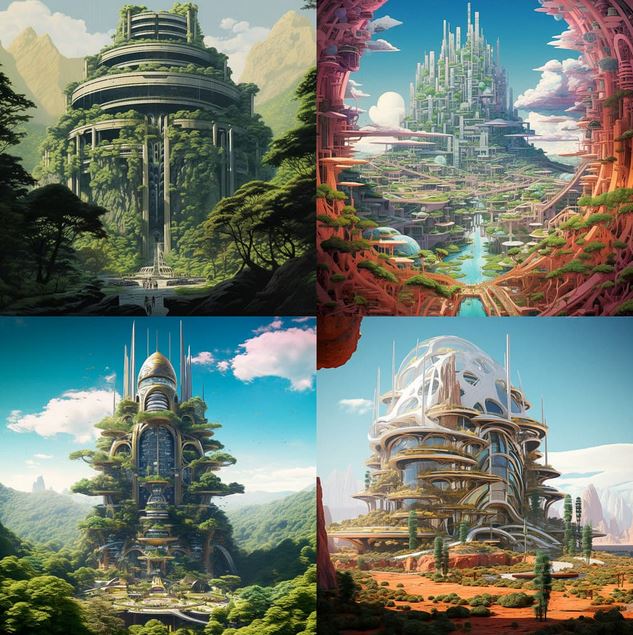
Arcology is a groundbreaking concept in urban design that combines architecture and ecology to create self-sustaining, efficient, and harmonious urban environments. The term, a portmanteau of “architecture” and “ecology,” was coined by the visionary architect Paolo Soleri. In this article, we’ll explore the concept of arcology, its principles, notable examples, and its potential impact on future urban development.
What is Arcology?
Arcology is a design philosophy that integrates architectural principles with ecological concepts to create compact, self-sufficient, and environmentally friendly urban spaces. The goal of arcology is to minimize the ecological footprint of human settlements while maximizing efficiency and quality of life.
Principles of Arcology
- Density and Efficiency: Arcologies aim to consolidate urban functions into a single structure or complex. This high-density approach reduces the need for sprawling urban development and minimizes transportation requirements.
- Self-Sufficiency: Arcologies are designed to be self-sustaining, with integrated systems for energy, water, waste management, and food production. This reduces reliance on external resources and promotes environmental sustainability.
- Environmental Integration: The design of arcologies seeks to harmonize with the natural environment, utilizing renewable energy sources, green spaces, and sustainable building materials to minimize ecological impact.
- Human-Centric Design: Arcologies prioritize the well-being of their inhabitants, incorporating features such as green spaces, communal areas, and efficient transportation systems to enhance quality of life.
Notable Examples of Arcology Concepts
- Paolo Soleri’s Vision: Paolo Soleri, the pioneer of arcology, envisioned structures like “Arcosanti,” an experimental town in Arizona. Arcosanti is designed to be a prototype for arcological principles, focusing on energy efficiency, integration with the landscape, and a communal lifestyle.
- The Earthship: While not a traditional arcology, the Earthship concept by architect Michael Reynolds shares similar principles. Earthships are self-sustaining buildings made from recycled materials, designed to be energy-efficient and environmentally friendly.
- Vertical Cities: The concept of vertical cities, such as the proposed “Yongsan International Business District” in Seoul, South Korea, aligns with arcological principles by aiming to create high-density, mixed-use urban environments that reduce the need for horizontal expansion.
Benefits of Arcology
- Reduced Environmental Impact: By consolidating urban functions and promoting self-sufficiency, arcologies significantly reduce the ecological footprint of human settlements. They minimize land use, energy consumption, and waste production.
- Enhanced Quality of Life: Arcologies are designed with the well-being of inhabitants in mind, offering green spaces, efficient transportation, and access to essential services. This can lead to improved mental and physical health for residents.
- Resource Efficiency: The integrated systems within arcologies optimize the use of resources such as energy and water. This can lead to cost savings and increased sustainability.
- Mitigation of Urban Sprawl: By concentrating urban functions within a single structure, arcologies help curb the spread of urban sprawl, preserving natural landscapes and reducing habitat destruction.
Challenges and Criticisms
- Implementation Difficulties: Building arcologies requires significant planning, investment, and technological innovation. The complexity of integrating various systems and ensuring sustainability can pose challenges.
- Cost: The initial cost of constructing arcologies can be high. This includes the expense of advanced technologies, sustainable materials, and the infrastructure required to support self-sufficiency.
- Social Dynamics: The communal and integrated nature of arcologies may not align with everyone’s preferences for privacy and personal space. Balancing communal living with individual needs can be challenging.
- Technological Limitations: Some of the technologies and systems envisioned for arcologies are still in development. Achieving the level of self-sufficiency required may be difficult with current technology.
The Future of Arcology
Despite the challenges, the principles of arcology continue to influence modern urban design and planning. As concerns about environmental sustainability and urbanization grow, the concept of arcology offers valuable insights into creating more sustainable and efficient cities.
- Innovative Projects: Various architectural firms and urban planners are exploring arcological concepts in their projects. These include designs for vertical farms, eco-cities, and integrated urban complexes.
- Sustainable Urban Development: The ideas behind arcology are increasingly being incorporated into sustainable urban development practices, focusing on reducing ecological impact and enhancing livability.
- Technological Advancements: Advances in technology and materials may make the realization of arcological concepts more feasible in the future. Innovations in energy efficiency, waste management, and building materials can support the development of self-sustaining urban environments.
Arcology represents a visionary approach to urban design that seeks to harmonize architecture with ecological principles. By focusing on density, self-sufficiency, and environmental integration, arcologies offer a model for creating more sustainable and efficient urban environments. While challenges remain, the concept of arcology continues to inspire and inform the future of urban development, promising a more sustainable and harmonious relationship between humans and their environment.