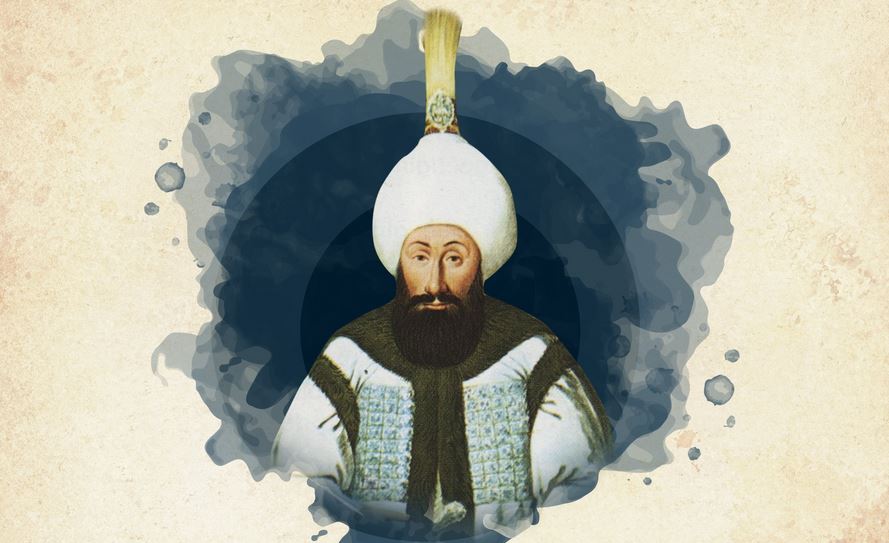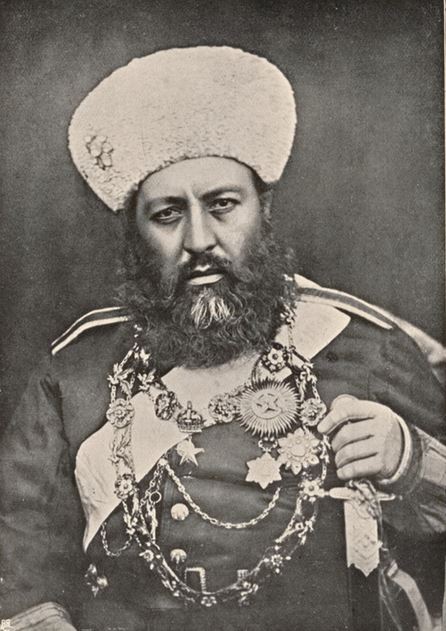
Abdur Rahman Khan (1844–1901) was a transformative leader in Afghan history, serving as the Amir of Afghanistan from 1880 to 1901. His tenure marked a critical period in the country’s development, as he navigated complex internal and external challenges to shape modern Afghanistan. Known for his strategic acumen and resolute leadership, Abdur Rahman Khan played a pivotal role in consolidating power, modernizing the military, and redefining Afghanistan’s position on the global stage. This blog delves into his key contributions and the lasting impact of his rule.
1. Consolidation of Power
Overview
Abdur Rahman Khan’s primary focus during his rule was the centralization of authority within Afghanistan. Upon assuming power, he embarked on a mission to unify the country, which had been fragmented by internal divisions and tribal conflicts. His goal was to establish a stronger, more cohesive Afghan state.
Challenges Faced
Afghanistan was a country characterized by significant regional and tribal fragmentation at the time. Various tribal leaders held substantial power and influence, which often led to internal conflicts and hindered centralized governance. Abdur Rahman Khan had to navigate these challenges carefully to strengthen his control over the disparate regions.
Achievements
Despite the difficulties, Abdur Rahman Khan achieved notable success in consolidating power. He managed to diminish the influence of tribal leaders, centralize administrative functions, and impose a more unified governance structure. This centralization was crucial in stabilizing Afghanistan and laying the groundwork for its future development.
2. Modernization Efforts
Overview
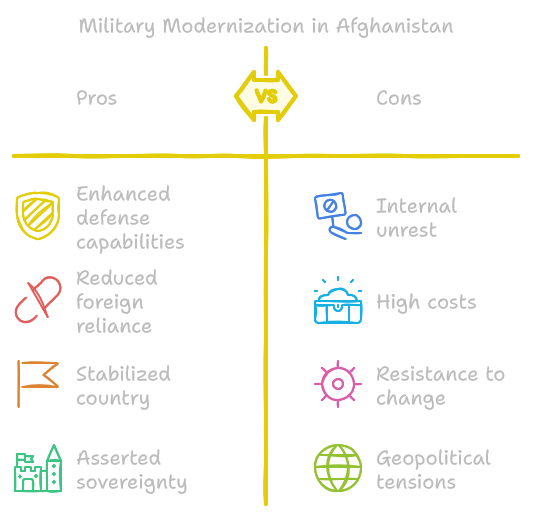
Under Abdur Rahman Khan’s rule, Afghanistan underwent significant modernization, particularly in the military sector. His efforts were aimed at strengthening the country’s defense capabilities and reducing its reliance on foreign powers.
Key Reforms
Abdur Rahman Khan implemented a series of military reforms, which included the introduction of modern weapons and training techniques. These reforms were designed to create a more effective and disciplined army, capable of defending the country against external threats and internal unrest.
Impact
The modernization of the Afghan military had a profound impact. It not only enhanced the country’s defense capabilities but also helped reduce its dependence on foreign military assistance. This transformation played a crucial role in stabilizing Afghanistan and asserting its sovereignty in a period marked by significant geopolitical pressures.
3. Foreign Relations and Diplomacy
Overview
Abdur Rahman Khan’s approach to foreign relations was marked by strategic diplomacy. Amid the complex geopolitics of his time, he adeptly navigated the interests of major powers to secure Afghanistan’s position and sovereignty. His diplomatic strategies were crucial in maintaining Afghanistan’s independence while managing external pressures.
Great Game Context
During Abdur Rahman Khan’s rule, the Great Game was a central factor in international relations. This was a period of intense rivalry between Britain and Russia, both seeking to expand their influence in Central Asia. Afghanistan found itself at the heart of this geopolitical struggle, with both empires vying for control or influence over the region.
Diplomatic Achievements
Abdur Rahman Khan successfully leveraged the Great Game dynamics to his advantage. His skillful diplomacy ensured that Afghanistan remained an independent buffer state between Britain and Russia. Through negotiations and strategic alignments, he secured international recognition of his rule and safeguarded Afghanistan’s sovereignty, despite the intense competition between the two great powers.

4. Boundary Changes
Overview
One of the most significant actions of Abdur Rahman Khan’s reign was the establishment of the Durand Line in 1893. This boundary demarcation defined the border between Afghanistan and British India (now Pakistan) and was a critical aspect of his foreign policy.
Significance
The Durand Line was a major achievement in terms of territorial definition. It provided a clear geopolitical boundary, which helped in managing the complex relationships and conflicts in the region. By establishing this line, Abdur Rahman Khan aimed to stabilize Afghanistan’s borders and reduce territorial disputes with British India.
Controversy
The Durand Line has remained a contentious issue, especially in Afghan-Pakistani relations. The boundary has been a source of dispute, with various Afghan leaders and governments questioning its legitimacy and impact on ethnic groups living along the border. The ongoing controversy reflects the challenges and complexities of historical border agreements.
5. Internal Reforms
Overview
During his reign, Abdur Rahman Khan implemented a series of internal reforms aimed at strengthening and modernizing Afghanistan’s governance. His efforts focused on reorganizing administrative structures and establishing new legal frameworks to improve the efficiency and stability of the state.
Key Reforms
Abdur Rahman Khan’s reforms included a comprehensive reorganization of the administrative apparatus. He streamlined bureaucratic processes and established a more centralized system of governance. Additionally, he introduced new legal codes designed to standardize laws and enhance judicial efficiency. These reforms were essential in creating a more cohesive and functional state apparatus.
Governance
While Abdur Rahman Khan’s reforms brought significant improvements to Afghanistan’s governance, they were not without challenges. His methods often leaned towards autocracy, with dissent being suppressed and political opposition limited. Despite these challenges, his reforms laid the foundation for a more organized and stable administration, which was crucial for Afghanistan’s development during his era.
Conclusion
Abdur Rahman Khan’s reign was marked by significant achievements that had a lasting impact on Afghanistan. His consolidation of power, modernization efforts, strategic diplomacy, and boundary-setting measures played crucial roles in shaping the modern Afghan state. His internal reforms, though marked by autocratic tendencies, contributed to a more structured and functional government. Overall, Abdur Rahman Khan’s leadership was instrumental in stabilizing and transforming Afghanistan, leaving a complex but enduring legacy. His reign set the stage for Afghanistan’s 20th-century history and continues to influence the country’s national identity and geopolitical position.
FAQ
1. Who was Abdur Rahman Khan?
Abdur Rahman Khan (1844–1901) was the Amir of Afghanistan from 1880 to 1901. He is known for his efforts in centralizing power, modernizing the military, and navigating complex foreign relations during a critical period in Afghan history.
2. What were Abdur Rahman Khan’s major achievements in consolidating power?
Abdur Rahman Khan focused on unifying Afghanistan by reducing the influence of regional and tribal leaders. He worked to centralize administrative authority, establishing a more cohesive and centralized Afghan state despite significant internal divisions and tribal conflicts.
3. How did Abdur Rahman Khan modernize the Afghan military?
Abdur Rahman Khan introduced modern weapons and training techniques to the Afghan military. These reforms aimed to enhance the defense capabilities of Afghanistan and reduce its dependency on foreign military assistance.
4. What was the Great Game, and how did it impact Abdur Rahman Khan’s foreign relations?
The Great Game was the geopolitical struggle between Britain and Russia for influence in Central Asia. Abdur Rahman Khan skillfully navigated this rivalry to maintain Afghanistan’s independence and secure international recognition of his rule, balancing the interests of both empires.
5. What is the Durand Line, and why is it significant?
The Durand Line, established in 1893, was the boundary demarcation between Afghanistan and British India (now Pakistan). It was significant as it defined Afghanistan’s territorial limits and aimed to stabilize the region. However, it has remained a contentious issue in Afghan-Pakistani relations.
6. What were some of the internal reforms implemented by Abdur Rahman Khan?
Abdur Rahman Khan implemented administrative and legal reforms to strengthen the central government. These included reorganizing administrative structures, introducing new legal codes, and improving governance. His methods were often autocratic, with political dissent being suppressed.
7. How did Abdur Rahman Khan’s rule impact modern Afghanistan?
Abdur Rahman Khan’s rule was instrumental in shaping modern Afghanistan. His consolidation of power, modernization efforts, diplomatic strategies, and boundary-setting measures significantly influenced the country’s development and its national identity. His reign set the stage for Afghanistan’s 20th-century history and its geopolitical positioning.
8. Where can I learn more about Abdur Rahman Khan and his impact on Afghanistan?
For further reading, you can explore the following resources:
- The New Cambridge History of India: The Indian Empire and the British Response
- The Rise and Fall of the British Empire by Lawrence James
- The Great Game: The Struggle for Empire in Central Asia by Peter Hopkirk
- The Durand Line: History and the Current Controversy by Omar N. Rahman
- Afghanistan: A Cultural and Political History by Thomas Barfield