When you’re on the phone trying to spell out your name or an address, it can be frustrating when the person on the other end keeps asking, “Was that an ‘M’ or an ‘N’?” The NATO phonetic alphabet is here to help with situations like these. It’s a standardized way to spell out letters so that there’s no confusion, no matter the language or accent.
What Is the NATO Phonetic Alphabet?
The NATO phonetic alphabet is a set of 26 words used to represent each letter of the English alphabet. It’s also called the International Radiotelephony Spelling Alphabet or simply the ICAO (International Civil Aviation Organization) alphabet. It was developed in the 1950s by NATO to ensure clear communication over radio and telephone, especially in noisy environments.
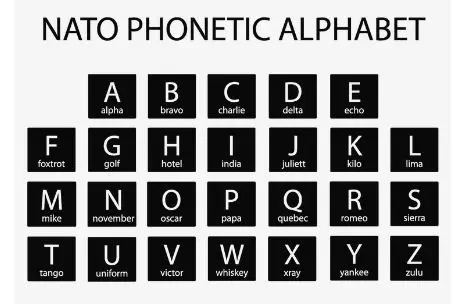
For example, instead of just saying the letter “A,” you would say “Alpha.” This eliminates confusion, particularly in situations where the difference between similar-sounding letters could lead to mistakes. The full list is as follows:
- A – Alpha
- B – Bravo
- C – Charlie
- D – Delta
- E – Echo
- F – Foxtrot
- G – Golf
- H – Hotel
- I – India
- J – Juliett
- K – Kilo
- L – Lima
- M – Mike
- N – November
- O – Oscar
- P – Papa
- Q – Quebec
- R – Romeo
- S – Sierra
- T – Tango
- U – Uniform
- V – Victor
- W – Whiskey
- X – X-ray
- Y – Yankee
- Z – Zulu
Why Is It Important?
The NATO phonetic alphabet is crucial in many fields, including aviation, the military, and emergency services. In these environments, communication needs to be as clear as possible to avoid mistakes that could be costly or even dangerous. For instance, in aviation, pilots and air traffic controllers use this system to communicate vital information like flight codes and coordinates, ensuring that everything is understood correctly.
But the usefulness of the NATO phonetic alphabet isn’t limited to professionals. Anyone can use it in everyday situations, like spelling out a difficult name or providing a complicated address. It’s a simple tool that makes communication easier and more reliable.
How to Use the NATO Phonetic Alphabet
Using the NATO phonetic alphabet is straightforward. When you need to spell something out, just say the corresponding word for each letter. For example, if you’re spelling “HELP,” you would say, “Hotel Echo Lima Papa.” It might feel a bit odd at first, but with practice, it becomes second nature.
To make it even easier, you can create flashcards with each letter and its corresponding word. Practicing with these will help you remember the words more quickly. There are also many online tools and apps that can help you learn the NATO phonetic alphabet, so you can choose the method that works best for you.
Fun Facts About the NATO Phonetic Alphabet
- Not Just for English Speakers: Although it was developed in English, the NATO phonetic alphabet is designed to be easily understood by speakers of many different languages.
- Pop Culture: The alphabet often pops up in movies, TV shows, and even songs. For example, the word “Tango” is widely recognized thanks to its frequent use in military-themed entertainment.
- Consistency Over Time: The NATO phonetic alphabet has remained largely unchanged since its adoption in 1956, which is a testament to its effectiveness.
The NATO phonetic alphabet is a simple yet powerful tool for clear communication. Whether you’re a pilot, a police officer, or just someone trying to make sure their message is understood, this system can make a big difference. It’s easy to learn and incredibly useful in both professional and everyday contexts.
So next time you’re trying to spell something out over the phone, why not give it a try? You’ll likely find that it saves you time and frustration, making your communication clearer and more efficient.