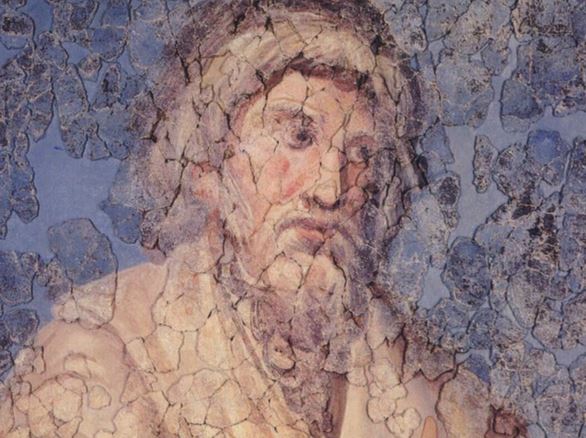
Apuleius (circa 125-180 CE) was a Roman writer, philosopher, and rhetorician renowned for his contributions to literature and philosophy. His most famous work, The Golden Ass (also known as Metamorphoses), is a significant example of ancient Roman literature that blends fiction, philosophy, and satire.
This article delves into Apuleius’s life, works, philosophical contributions, and lasting impact on literature and philosophy.
Early Life and Education
Apuleius was born in Madaurus, a town in the Roman province of Africa (modern-day Algeria). He was educated in Carthage, a major center of learning in the Roman Empire, where he studied rhetoric and philosophy. His education continued in Athens, where he studied under the Neoplatonist philosopher Plotinus. Apuleius’s background in rhetoric and philosophy deeply influenced his later works.
Major Works
The Golden Ass (Metamorphoses)
The Golden Ass is Apuleius’s most celebrated work and the only complete Latin novel that has survived from antiquity. The novel is a blend of myth, adventure, and satire, and it follows the story of Lucius, a young man who is transformed into a donkey through a magical experiment gone wrong. The narrative explores themes of transformation, desire, and spiritual enlightenment, and it is notable for its use of humor, allegory, and intricate storytelling.
Key Elements of The Golden Ass:
- Transformation and Redemption: The novel’s central theme is transformation, both physical and spiritual. Lucius’s journey from man to donkey and back to human symbolizes a broader quest for knowledge and self-realization.
- Religious and Mystical Themes: The novel incorporates elements of religious mysticism and initiations, particularly through the worship of the goddess Isis. Apuleius uses Lucius’s experiences to explore themes of divine intervention and spiritual awakening.
- Frame Narrative: The Golden Ass employs a frame narrative structure, with Lucius’s story embedded within a larger narrative. This technique allows for multiple layers of storytelling and the inclusion of various short stories and fables.
Apology
Apology is a speech that Apuleius delivered in his defense against charges of practicing magic and using his persuasive skills to deceive others. The speech provides valuable insights into Apuleius’s rhetorical style and his philosophical beliefs. It also sheds light on the social and legal issues of his time.
Key Points of Apology:
- Defense of Magic: Apuleius defends himself against accusations of magic, arguing that his knowledge and abilities are the result of his philosophical studies and not sorcery.
- Rhetorical Mastery: The Apology showcases Apuleius’s rhetorical skills and his ability to weave complex arguments and appeals to his audience.
Other Works
In addition to The Golden Ass and Apology, Apuleius wrote several other works, including philosophical treatises and rhetorical speeches. Some of these works have survived only in fragments or are known only through references in other texts.
Notable Themes in Apuleius’s Philosophy:
- Neoplatonism: Apuleius was influenced by Neoplatonism, a philosophical system that emphasized the existence of a single, ultimate reality (the One) and the ascent of the soul towards divine knowledge.
- Mysticism: His works often explore themes of mysticism and the relationship between the divine and the material world. The incorporation of religious and mystical elements in his writing reflects his belief in the transformative power of spirituality.
Legacy and Influence
Apuleius’s works had a significant impact on literature and philosophy in the Roman world and beyond:
Literary Influence
- Medieval and Renaissance Literature: The Golden Ass influenced medieval and Renaissance writers, who drew on its themes of transformation and adventure. The novel’s blend of fiction and allegory continued to inspire writers and storytellers throughout history.
- Modern Adaptations: Apuleius’s works, particularly The Golden Ass, have been studied and adapted in various modern contexts, reflecting their enduring appeal and relevance.
Philosophical Impact
- Philosophical Thought: Apuleius’s exploration of Neoplatonism and mysticism contributed to the development of philosophical thought in the Roman Empire. His works influenced later philosophers and thinkers, particularly those interested in the intersection of philosophy and religion.
Apuleius was a prominent figure in ancient Roman literature and philosophy, known for his contributions to narrative fiction and rhetorical skill. His most famous work, The Golden Ass, remains a significant example of ancient Roman storytelling, blending myth, adventure, and philosophical reflection. Apuleius’s influence extends through literature, philosophy, and beyond, demonstrating his enduring impact on Western thought and culture.