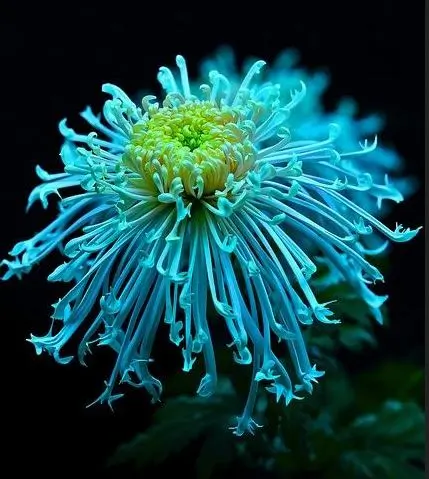
Anthophyta, commonly known as flowering plants or angiosperms, represent one of the most diverse and successful groups of plants on Earth. With over 300,000 species, they dominate many ecosystems, providing food, shelter, and oxygen to countless organisms, including humans. This article explores the fascinating world of Anthophyta, their characteristics, evolutionary history, and their crucial role in our environment.
What is Anthophyta?
Anthophyta, derived from the Greek words “anthos” (flower) and “phyton” (plant), refers to the group of plants that produce flowers and bear seeds enclosed within a fruit. This feature distinguishes them from gymnosperms, which have naked seeds. Angiosperms are incredibly diverse, ranging from tiny duckweeds to towering oaks and colorful roses. They can be found in nearly every habitat on Earth, from tropical rainforests to arid deserts.
Evolutionary History
The evolutionary history of Anthophyta is a story of adaptation and success. Flowering plants first appeared around 140 million years ago during the Cretaceous period. They quickly diversified, taking advantage of new ecological niches and forming symbiotic relationships with animals, particularly insects.
One of the key innovations of Anthophyta was the development of flowers, which allowed for more efficient pollination. This led to a close co-evolutionary relationship between flowering plants and their pollinators, such as bees, butterflies, and birds. The ability to attract pollinators gave angiosperms a significant advantage, enabling them to spread rapidly and dominate many ecosystems.
Another crucial development was the formation of fruit, which protects seeds and aids in their dispersal. Fruits attract animals that eat them and later excrete the seeds, often far from the parent plant. This mechanism has allowed flowering plants to colonize new areas and increase their range.
Characteristics of Anthophyta
Anthophyta exhibit a wide range of characteristics, reflecting their adaptability and evolutionary success. Some of the key features include:
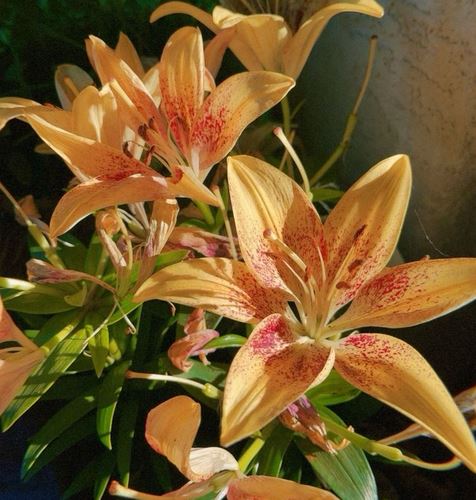
- Flowers: The most defining characteristic of Anthophyta is the presence of flowers, which are reproductive structures that facilitate pollination and seed production. Flowers can vary greatly in size, shape, color, and scent, each adapted to attract specific pollinators.
- Seeds Enclosed in Fruits: Unlike gymnosperms, which have exposed seeds, angiosperms produce seeds that are enclosed within a fruit. The fruit develops from the ovary of the flower and serves to protect the seeds and aid in their dispersal.
- Vascular Tissue: Like other vascular plants, Anthophyta possess specialized tissues—xylem and phloem—that transport water, nutrients, and sugars throughout the plant. This efficient transport system allows flowering plants to grow larger and thrive in a variety of environments.
- Diverse Growth Forms: Anthophyta include a wide range of growth forms, from herbaceous plants to woody shrubs and trees. Some species are annuals, completing their life cycle in one growing season, while others are perennials, living for many years.
- Adaptations to Various Environments: Flowering plants have evolved numerous adaptations to survive in different environments. For example, cacti have thick, fleshy stems to store water in arid regions, while water lilies have large, flat leaves that float on the surface of ponds.
Importance of Anthophyta
The importance of Anthophyta cannot be overstated. These plants play a vital role in maintaining the health and stability of ecosystems around the world. Some of the key contributions of flowering plants include:
- Oxygen Production: Through the process of photosynthesis, flowering plants produce oxygen, which is essential for the survival of most life forms on Earth. They also absorb carbon dioxide, helping to mitigate the effects of climate change.
- Food Source: Anthophyta are the primary source of food for humans and many other animals. Crops like wheat, rice, corn, and fruits are all flowering plants. Without them, global food supplies would be drastically reduced.
- Habitat and Shelter: Flowering plants provide habitat and shelter for a wide range of organisms, from insects to mammals. Forests, grasslands, and wetlands are all ecosystems dominated by angiosperms, offering homes and protection to countless species.
- Economic Value: Many flowering plants have significant economic value. Timber, medicines, dyes, and textiles all come from angiosperms. Ornamental plants and flowers are also important in horticulture and landscaping, contributing to the beauty and aesthetics of our surroundings.
- Cultural and Symbolic Significance: Throughout history, flowers have held deep cultural and symbolic meanings. They are used in rituals, ceremonies, and as symbols of love, beauty, and life. Different cultures have developed their own unique relationships with flowering plants, from the cherry blossoms of Japan to the roses of Europe.
Challenges and Conservation
Despite their importance, many species of Anthophyta are under threat due to human activities. Habitat destruction, climate change, pollution, and invasive species are major challenges that affect the survival of flowering plants.
Deforestation, in particular, has led to the loss of vast tracts of forests, home to countless species of flowering plants. Wetlands, grasslands, and other ecosystems dominated by angiosperms are also being destroyed at an alarming rate.
Climate change is another significant threat, altering the habitats and growing conditions for many species. Rising temperatures, changing precipitation patterns, and more frequent extreme weather events are affecting the distribution and health of flowering plants worldwide.
Conservation efforts are crucial to protect the diversity and abundance of Anthophyta. This includes protecting natural habitats, restoring degraded ecosystems, and promoting sustainable agriculture and forestry practices. Botanical gardens, seed banks, and conservation organizations also play a vital role in preserving rare and endangered species of flowering plants.
Anthophyta, the flowering plants, are a remarkable group of organisms that have shaped the world we live in. Their diversity, adaptability, and beauty have made them essential to life on Earth, providing food, oxygen, and habitat for countless species. As we continue to face environmental challenges, the conservation of these plants is more important than ever. By understanding and protecting Anthophyta, we ensure a healthier, more sustainable future for all life on our planet.