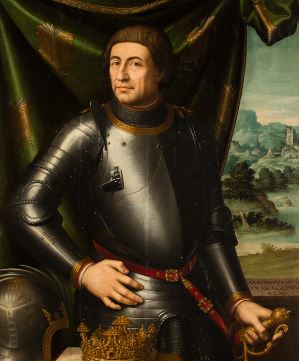
Alessandro Allori (1535–1607) was a renowned Italian painter, celebrated for his distinct style that blended the classical elegance of the Renaissance with the dynamic flair of Mannerism. As a prominent figure in Florentine art, Allori’s work embodies the transition from the high Renaissance ideals of harmony and balance to the more exaggerated forms and emotional intensity characteristic of the Mannerist movement. This article explores the life, artistic journey, and contributions of Alessandro Allori, offering insight into his unique place in art history.
Early Life and Training
Alessandro Allori was born in Florence in 1535 into an artistic family. He was the son of Cristofano Allori, a painter, and his early exposure to art and craftsmanship deeply influenced his career. After the death of his father, Allori was raised by his maternal uncle, the great painter Agnolo Bronzino, who became his artistic mentor. Bronzino, a leading figure in Florentine Mannerism, had a profound influence on Allori’s style, instilling in him a love for precision, refined technique, and detailed portraiture.
Allori’s early education under Bronzino helped him develop a meticulous approach to painting, characterized by a clear, polished finish and a keen eye for color and detail. His apprenticeship in Bronzino’s workshop also allowed him to gain exposure to the works of the great masters of the time, including Michelangelo and Raphael.
Artistic Style and Mannerism
Alessandro Allori is closely associated with the Mannerist movement, which emerged in the late Renaissance. Mannerism is known for its emphasis on artificiality, elegance, and the exaggeration of forms, often creating a sense of tension or drama in compositions. While the Renaissance was focused on balance, proportion, and ideal beauty, Mannerism sought to push these boundaries, favoring complexity over harmony.
- Elongated Figures: A hallmark of Allori’s style is his depiction of elongated, graceful figures, often in dynamic, unnatural poses. This is a key characteristic of Mannerism, where artists sought to convey emotion and drama through exaggerated proportions.
- Vivid Colors: Allori was known for his vibrant use of color, a trait that further distinguished his work within the Mannerist style. He often used bright, contrasting colors to create a sense of movement and intensity in his compositions.
- Detail and Ornamentation: His attention to intricate details, particularly in fabrics, jewelry, and architectural elements, reflects his meticulous technique. This focus on detail gave his portraits and religious works a sense of luxury and refinement.
Notable Works
Throughout his career, Alessandro Allori produced a variety of works, including religious paintings, portraits, and mythological scenes. Some of his most notable works include:
- “The Body of Christ with Two Angels” (1581): This painting is a powerful example of Allori’s mastery of religious subjects. The work depicts the lifeless body of Christ held by two angels, capturing the dramatic, emotional intensity characteristic of Mannerist art. The elongated figures and use of light and shadow emphasize the otherworldly nature of the scene.
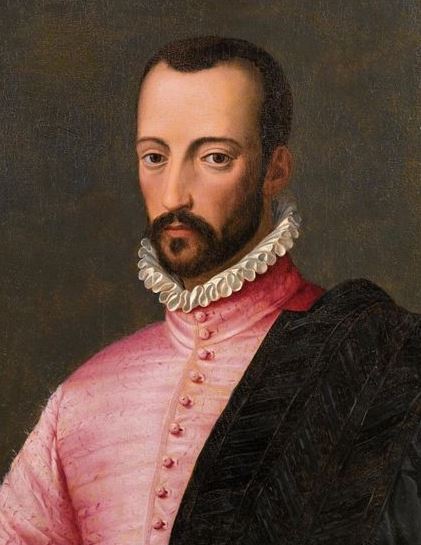
- “Portrait of a Young Man” (1561): Allori’s skill as a portrait artist is exemplified in this work, which portrays a nobleman with refined elegance. The meticulous rendering of the subject’s clothing, particularly the detailed lacework and fabric, demonstrates Allori’s attention to texture and his ability to convey wealth and status through his art.
- “The Baptism of Christ” (1590): Another religious piece, this painting illustrates Allori’s ability to combine vivid color and dynamic composition. The scene captures the moment of Christ’s baptism, with the figures arranged in a dramatic, flowing composition that leads the viewer’s eye through the painting.
- “Venus and Cupid”: Allori’s mythological scenes also showcase his talent for depicting the human figure in idealized, yet exaggerated forms. In this work, Venus and Cupid are portrayed with an elegant, almost sculptural quality, their elongated bodies and expressive faces emphasizing the romantic and playful nature of the scene.
Florentine Influence and Legacy
Alessandro Allori’s career unfolded during a time when Florence was still a major center of artistic innovation, though the city was experiencing a shift in its cultural dominance. The influence of his mentor, Bronzino, is evident in his early works, particularly in his portraiture. However, as Allori’s style developed, he adopted a more personal approach that embraced the Mannerist aesthetic more fully.
- Patronage and Commissions: Allori worked extensively for the Medici family, one of the most influential patrons of the arts in Renaissance Italy. His connections to the Medici court provided him with numerous commissions, particularly for portraits and religious works that decorated churches and private residences across Florence.
- Artistic Continuity: Allori’s influence extended to his own family. His son, Cristofano Allori, followed in his footsteps and became a noted painter in his own right. While Cristofano is often regarded as a more naturalistic artist compared to his father’s Mannerist style, the artistic lineage continued to flourish, and the Allori family name remained significant in Florentine art.
- Bridging Renaissance and Baroque: Alessandro Allori’s work serves as a bridge between the Renaissance ideals of balance and proportion and the emerging Baroque style that would dominate the 17th century. His Mannerist works, with their emotional intensity and complexity, helped pave the way for the dramatic flair of Baroque art.
Challenges and Criticisms
While Allori was celebrated during his lifetime, his work was not without criticism. Some contemporary art historians argue that his adherence to Mannerism, particularly its emphasis on artificiality and exaggeration, lacked the naturalism and emotional depth that characterized later Baroque artists like Caravaggio. Additionally, his meticulous attention to detail and ornamentation, though admired by many, was sometimes seen as overly decorative and lacking in spontaneity.
Despite these critiques, Allori’s technical skill and ability to convey a sense of elegance and grandeur in his works earned him a lasting place in the history of Italian art.
Death and Legacy
Alessandro Allori passed away in Florence in 1607, leaving behind a vast body of work that influenced generations of artists. His contributions to Mannerism, particularly in Florence, helped shape the city’s artistic landscape during a period of transition. Although his style would later give way to the more naturalistic approaches of the Baroque period, Allori remains an important figure in the development of Italian painting.
Today, his works are housed in major collections, including the Uffizi Gallery in Florence and various churches and private collections across Italy. Allori’s legacy as a master of Mannerism continues to be studied and appreciated by art historians and enthusiasts alike. Alessandro Allori’s life and work represent a significant chapter in the history of Italian art.