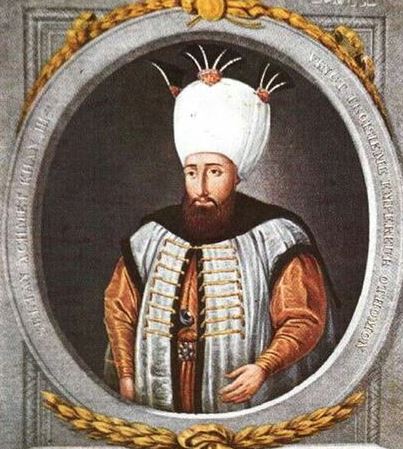
Ahmed III, who reigned as the Ottoman Sultan from 1703 to 1730, is best known for his role in the Tulip Era—a period of cultural, economic, and architectural flourishing within the Ottoman Empire. His reign marked a significant transition in the empire’s history, blending tradition with new influences from Europe. This article explores the life, reign, and legacy of Ahmed III, highlighting the key events and cultural developments that defined his time as Sultan.
Early Life and Ascension to the Throne
Ahmed III was born on December 31, 1673, in Dobruja (modern-day Romania) to Sultan Mehmed IV and his consort, Emetullah Rabia Gülnuş Sultan. As a prince, Ahmed was educated in the traditional Ottoman manner, learning about governance, Islamic law, and military strategy. His early years were relatively quiet, as he was not initially seen as a likely heir to the throne.
However, following the deposition of his brother, Mustafa II, in the wake of the Edirne Event in 1703, Ahmed III was thrust into power. At the age of 30, he ascended the throne, inheriting a vast empire that was facing numerous challenges, including military setbacks, economic difficulties, and internal strife.
The Tulip Era: A Time of Cultural Renaissance
One of the most defining aspects of Ahmed III’s reign was the Tulip Era (1718-1730), named after the tulip flower, which became a symbol of the period’s aesthetic and cultural movements. This era was characterized by a fascination with European culture, art, and science, which influenced the Ottoman elite.
The Tulip Era saw a surge in cultural activities, including the construction of grand palaces, gardens, and public buildings. The architecture of the period combined traditional Ottoman styles with new elements inspired by European baroque. Ahmed III was a patron of the arts and encouraged the flourishing of literature, poetry, and calligraphy.
The period also saw the introduction of the first printing press in the Ottoman Empire, operated by Ibrahim Müteferrika, which played a crucial role in the dissemination of knowledge and ideas. The Tulip Era represented a time of relative peace and prosperity, during which the empire experienced a cultural renaissance that left a lasting impact on Ottoman society.
Foreign Relations and Military Campaigns
Ahmed III’s reign was marked by significant diplomatic and military activities. One of the most notable events was the signing of the Treaty of Passarowitz in 1718, which ended the Austro-Turkish War and marked a temporary halt to the Ottoman Empire’s territorial losses in Europe. The treaty was a pragmatic move, allowing the empire to focus on internal development and cultural renewal.
However, Ahmed III’s reign was not without military challenges. The Ottoman Empire engaged in several conflicts during this period, including wars with Russia and Persia. The most significant of these was the Russo-Turkish War (1710-1711), which ended in the Treaty of Pruth, allowing the Ottomans to regain some lost territories and restoring a measure of prestige to the empire.
The Decline of the Tulip Era and Ahmed III’s Deposition
Despite the cultural achievements of the Tulip Era, it was also a time of growing discontent among various segments of Ottoman society. The lavish lifestyles of the elite and the increasing influence of European culture were viewed with suspicion and resentment by more conservative factions within the empire. This tension culminated in the Patrona Halil Rebellion of 1730, led by a group of disaffected Janissaries and commoners.
The rebellion resulted in the overthrow of Ahmed III, who was forced to abdicate in favor of his nephew, Mahmud I. Ahmed III was subsequently exiled to the Topkapi Palace, where he lived out the remainder of his life in relative obscurity until his death on July 1, 1736.
Legacy of Ahmed III
Ahmed III’s legacy is a complex one, marked by both the cultural flourishing of the Tulip Era and the political upheaval that led to his downfall. The Tulip Era left an indelible mark on Ottoman architecture, art, and culture, influencing subsequent generations and contributing to the empire’s rich cultural heritage.
Ahmed III is also remembered for his diplomatic efforts, which helped stabilize the empire during a period of relative decline. While his reign ended in revolution, the innovations and cultural developments of the Tulip Era continued to shape the Ottoman Empire long after his abdication.
Ahmed III’s reign was a period of contrasts, combining cultural renaissance with political instability. His contributions to the arts and his role in fostering a new era of Ottoman-European exchange are significant aspects of his legacy. Despite the challenges and ultimate failure of his rule, Ahmed III remains a notable figure in Ottoman history, particularly for his role in the Tulip Era, a time that encapsulated both the splendor and the vulnerabilities of the Ottoman Empire.