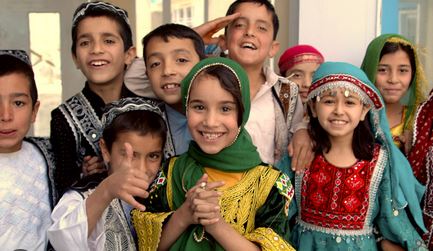
Afghanistan is a country rich in cultural diversity and historical significance. Its people, representing various ethnicities, languages, and traditions, contribute to a vibrant and multifaceted society. This article explores the diverse population of Afghanistan, delving into their cultural practices, social structures, and the challenges they face.
Ethnic Diversity in Afghanistan
Afghanistan’s population is composed of several major ethnic groups, each with its own distinct identity and traditions. The ethnic diversity of the country is one of its defining features.
- Pashtuns: The Pashtuns, also known as Pathans, are the largest ethnic group in Afghanistan, making up about 40% of the population. They primarily inhabit the southern and eastern regions of the country. The Pashtun culture is known for its adherence to the Pashtunwali code, which emphasizes values such as hospitality, honor, and justice.
- Tajiks: Tajiks are the second-largest ethnic group in Afghanistan, comprising around 25% of the population. They are predominantly found in the northern and central parts of the country. Tajiks speak Dari, a variety of Persian, and have a rich cultural heritage that includes Persian literature, art, and music.
- Hazaras: The Hazara people, making up about 10-15% of Afghanistan’s population, predominantly reside in the central region known as Hazarajat. They speak Hazaragi, a dialect of Dari, and are known for their distinct Mongoloid features. Hazaras are predominantly Shia Muslims and have faced significant historical and contemporary challenges, including persecution.
- Uzbeks: Uzbeks, constituting around 9% of the population, are mainly found in the northern provinces. They speak Uzbek, a Turkic language, and have a culture influenced by Central Asian traditions. Uzbeks are traditionally known for their skills in agriculture and craftsmanship.
- Aimaqs: The Aimaqs are a smaller ethnic group in Afghanistan, accounting for about 4% of the population. They primarily live in the western regions of the country. Aimaqs are known for their semi-nomadic lifestyle and distinct cultural practices.
- Other Ethnic Groups: Afghanistan is also home to smaller ethnic groups such as the Baloch, Nuristani, and Brahui, each contributing to the country’s rich cultural tapestry.
Languages and Dialects
Afghanistan is a multilingual country with two official languages and several regional dialects.
- Dari: Dari, a variety of Persian, is one of the two official languages of Afghanistan. It serves as the lingua franca and is spoken by a significant portion of the population. Dari is used in government, education, and media.
- Pashto: Pashto is the second official language and is primarily spoken by the Pashtun population. It is a key language in the southern and eastern regions of Afghanistan and holds cultural and political significance.
- Regional Dialects: In addition to Dari and Pashto, various regional languages and dialects are spoken throughout the country, including Uzbek, Turkmen, and Balochi. These languages reflect the ethnic diversity and cultural richness of Afghanistan.
Cultural Practices and Traditions
The people of Afghanistan have a rich cultural heritage, characterized by diverse traditions, art forms, and social practices.
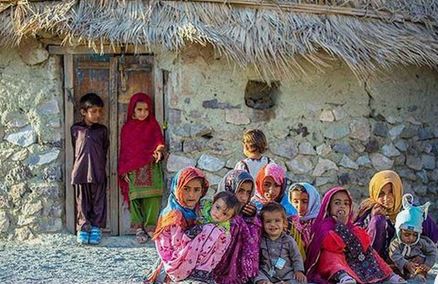
- Traditional Clothing: Afghan traditional clothing varies among ethnic groups. Pashtun men often wear the “shalwar kameez,” a long tunic with trousers, while Afghan women may wear the “burqa” or “chador.” Tajiks and Uzbeks also have distinct traditional attire that reflects their cultural heritage.
- Cuisine: Afghan cuisine is known for its rich flavors and diverse dishes. Common ingredients include rice, meat, and vegetables, with popular dishes such as “pilaf,” “kebabs,” and “mantu” (dumplings). The cuisine is influenced by Persian, Indian, and Central Asian culinary traditions.
- Music and Dance: Music and dance play an important role in Afghan culture. Traditional Afghan music includes the use of instruments such as the “rubab” and “tabla.” Dance forms, such as the “attan,” are performed at social gatherings and celebrations.
- Festivals and Celebrations: Afghanistan’s cultural calendar includes various festivals and celebrations. The Islamic holidays of Eid al-Fitr and Eid al-Adha are widely observed, along with traditional festivals like Nowruz (Persian New Year) and the Pashto festival of Jashn-e-Snow.
Social Structures and Family Life
Family and community are central to Afghan society, influencing social norms and daily life.
- Family Structure: Afghan families are typically extended, with close-knit relationships among relatives. Family life is often centered around traditional values and customs, with elders playing a significant role in decision-making and family affairs.
- Social Roles: Traditional gender roles are prevalent in Afghan society, with distinct responsibilities for men and women. While there have been efforts to promote gender equality, social expectations and cultural norms often shape the roles and opportunities available to individuals.
- Education: Education in Afghanistan has faced challenges due to ongoing conflict and instability. However, efforts are being made to improve access to education, with a focus on increasing enrollment rates and providing educational opportunities for both boys and girls.
Challenges Facing the People of Afghanistan
The people of Afghanistan have faced numerous challenges, including political instability, conflict, and economic difficulties.
- Conflict and Security: Decades of conflict, including the Soviet invasion, civil wars, and the recent Taliban insurgency, have had a profound impact on Afghan society. Ongoing violence and insecurity continue to affect daily life and hinder development.
- Humanitarian Issues: The humanitarian situation in Afghanistan is dire, with issues such as poverty, displacement, and limited access to healthcare and education. International organizations work to provide aid and support to address these challenges.
- Economic Struggles: Afghanistan’s economy faces significant obstacles, including unemployment, reliance on agriculture, and limited industrial development. Efforts to rebuild and stabilize the economy are ongoing, with a focus on creating opportunities for sustainable growth.
The Resilience and Spirit of Afghanistan’s People
The people of Afghanistan are known for their resilience and rich cultural heritage. Despite facing numerous challenges, they continue to uphold their traditions, values, and community spirit. Understanding the diverse ethnicities, languages, and cultural practices of Afghanistan provides valuable insight into the country’s unique identity and the experiences of its people.
As Afghanistan navigates its complex history and works towards a more stable future, the strength and diversity of its population remain central to its national character and cultural legacy.