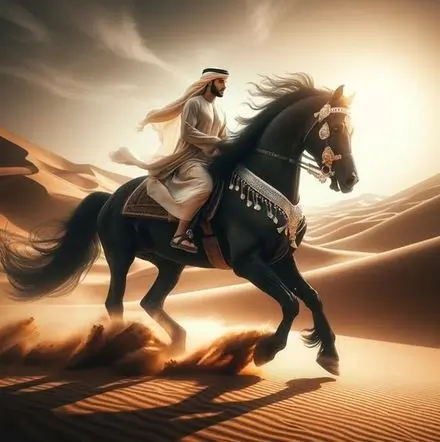
An Arabian prince represents a prominent figure in the rich and diverse history of the Arabian Peninsula, encompassing a blend of cultural, political, and social roles. This article explores the concept of an Arabian prince, including their historical significance, roles, and impact on modern Arabian societies.
1. Understanding the Role of an Arabian Prince
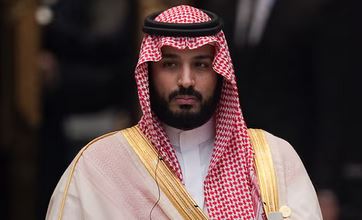
An Arabian prince typically refers to a member of a royal family in the Arabian Peninsula, particularly in countries such as Saudi Arabia, the United Arab Emirates (UAE), Oman, and Qatar. These individuals often hold significant influence in political, economic, and cultural spheres.
A. Historical Context:
- The concept of royalty in Arabia has ancient roots, with historical figures often leading tribes and governing regions. Traditional roles included leadership in both warfare and diplomacy.
B. Modern Roles:
- In contemporary times, Arabian princes often hold high-ranking positions in government, oversee large business interests, and play key roles in diplomatic relations. They may also be involved in charitable work and cultural patronage.
2. Historical Evolution of Arabian Princes
The history of Arabian princes is intertwined with the broader history of the Arabian Peninsula:
A. Early History:
- Tribal Leadership: In ancient times, tribal leaders often acted as princes, leading their communities and managing conflicts.
- Islamic Caliphates: With the rise of Islam, the role of Arabian princes evolved within the context of various caliphates, such as the Umayyad and Abbasid dynasties, which governed vast territories and wielded significant influence.
B. Ottoman Era:
- During the Ottoman Empire, Arabian princes were often local rulers who maintained relative autonomy under Ottoman suzerainty. They played crucial roles in maintaining order and administering regions.
C. Modern Monarchical Systems:
- The 20th century saw the establishment of modern monarchies in the Arabian Peninsula. Countries like Saudi Arabia and the UAE were founded with royal families at the helm, continuing the tradition of princely leadership.
3. Key Figures and Royal Families
Several royal families are prominent in the Arabian Peninsula:
A. Saudi Arabia:
- House of Saud: The ruling family of Saudi Arabia, which was established in the early 20th century. Key figures include King Abdulaziz Al Saud, the founder of the modern Saudi state, and his descendants, who continue to lead the country.
B. United Arab Emirates:
- House of Al Nahyan and Al Maktoum: The UAE is a federation of seven emirates, each ruled by its own royal family. Prominent figures include Sheikh Zayed bin Sultan Al Nahyan, the founder of the UAE, and his successors.
C. Qatar:
- House of Thani: The ruling family of Qatar, which has played a significant role in the country’s development and modernization. Key figures include Sheikh Hamad bin Khalifa Al Thani and his successors.
D. Oman:
- House of Al Said: The ruling family of Oman, known for its long-standing leadership and contribution to the country’s stability and development. Sultan Qaboos bin Said Al Said was a prominent figure in modern Omani history.
4. The Influence of Arabian Princes
Arabian princes wield considerable influence in various domains:
A. Politics:
- Governance: Princes often hold high offices in government, influencing national policies and international relations. They play key roles in shaping the political landscape of their respective countries.
B. Economy:
- Business Interests: Many Arabian princes control significant business ventures, including investments in industries such as oil, real estate, and finance. Their economic decisions impact both national and global markets.
C. Culture and Society:
- Cultural Patronage: Arabian princes are known for their support of cultural initiatives, including arts, education, and heritage preservation. They contribute to the promotion of their country’s cultural identity.
D. Philanthropy:
- Charitable Work: Many princes are involved in philanthropic activities, supporting various causes such as healthcare, education, and humanitarian efforts. Their contributions often have a significant impact on both local and international communities.
5. Challenges and Future Directions
Arabian princes face several challenges and opportunities:
A. Modernization vs. Tradition:
- Balancing modernization with traditional values is a key challenge. Princes often navigate the complexities of maintaining cultural heritage while embracing contemporary developments.
B. Regional and Global Influence:
- The geopolitical landscape continues to evolve, and Arabian princes must adapt to shifting regional dynamics and global trends. Their role in diplomacy and international relations is crucial in addressing these changes.
C. Economic Diversification:
- As oil-dependent economies seek diversification, princes are involved in steering their countries towards new economic opportunities, including technology and tourism.
Arabian princes are pivotal figures in the history and modern development of the Arabian Peninsula. From their historical roles as tribal leaders to their contemporary positions as influential rulers, their impact extends across politics, economics, culture, and philanthropy. Understanding the role of Arabian princes provides insight into the dynamic nature of leadership in the region and their ongoing contributions to global affairs.