The human abdomen, often referred to as the belly, is a central region of the body with a crucial role in various physiological functions. This article will explore the anatomy of the abdomen, its essential functions, and common health issues, presented in a structured format to enhance understanding and readability.
1. Anatomy of the Human Abdomen
The abdomen is a complex area with several key components. Let’s break down its anatomy:
A. Major Organs:
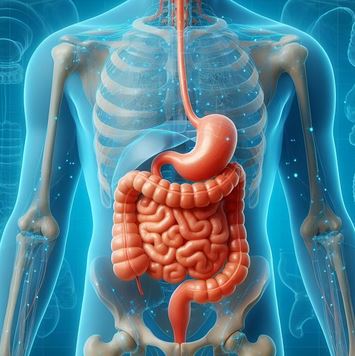
- Stomach: Located in the upper central abdomen, it is responsible for the initial stages of digestion.
- Liver: Positioned in the upper right part, it detoxifies blood, metabolizes nutrients, and produces bile.
- Small Intestine: Comprising the duodenum, jejunum, and ileum, it is responsible for nutrient absorption.
- Large Intestine: Surrounding the small intestine, it absorbs water and forms waste for excretion.
- Pancreas: Behind the stomach, it produces digestive enzymes and hormones such as insulin.
- Spleen: Situated on the left side, it filters blood and supports immune function.
B. Abdominal Muscles:
- Rectus Abdominis: Known as the “six-pack” muscles, it helps in trunk flexion.
- External Obliques: Located on the sides, they assist in trunk rotation and lateral flexion.
- Internal Obliques: Positioned beneath the external obliques, they aid in similar functions.
- Transverse Abdominis: The deepest muscle, providing core stability.
C. Connective Tissues:
- Peritoneum: A membrane lining the abdominal cavity, supporting and reducing friction.
- Abdominal Aorta: Supplies oxygenated blood to the abdomen and lower body.
2. Functions of the Abdomen
The abdomen supports several essential functions:
A. Digestion:
- The abdomen houses organs like the stomach and intestines that break down food and absorb nutrients.
B. Metabolism:
- The liver and pancreas play critical roles in nutrient metabolism and regulation of blood sugar levels.
C. Support and Protection:
- Abdominal muscles and connective tissues protect internal organs and assist in body movements.
D. Immune Function:
- The spleen and other tissues support the body’s immune response and filter pathogens from the blood.
E. Excretion:
- The large intestine processes waste products and maintains fluid balance.
3. Common Health Issues
Several conditions can affect the abdomen:
A. Gastrointestinal Disorders:
- Acid Reflux: Results from stomach acid entering the esophagus, causing heartburn.
- Irritable Bowel Syndrome (IBS): Characterized by abdominal pain and irregular bowel movements.
- Gastritis: Inflammation of the stomach lining, causing discomfort and nausea.
B. Abdominal Pain and Discomfort:
- Appendicitis: Inflammation of the appendix, causing severe pain in the lower right abdomen.
- Hernias: Occur when an organ protrudes through the abdominal wall, causing bulging.
C. Liver and Pancreatic Disorders:
- Hepatitis: Liver inflammation often due to infections or toxins.
- Pancreatitis: Inflammation of the pancreas, leading to abdominal pain and digestive problems.
D. Abdominal Tumors and Cancer:
- Colorectal Cancer: Cancer in the colon or rectum, with symptoms including changes in bowel habits.
- Liver Cancer: A malignant tumor in the liver, potentially causing swelling and jaundice.
4. Maintaining Abdominal Health
Promoting abdominal health involves various practices:
A. Healthy Diet:
- Consuming a diet high in fiber, fruits, vegetables, and lean proteins supports digestive health.
B. Regular Exercise:
- Physical activity strengthens abdominal muscles and aids in digestion.
C. Hydration:
- Drinking plenty of water supports digestion and organ function.
D. Medical Check-ups:
- Regular healthcare visits can help detect and manage potential health issues early.
The human abdomen is integral to many bodily functions, from digestion and metabolism to immune support. By understanding its anatomy and functions, and being aware of common health issues, individuals can better appreciate the importance of maintaining abdominal health. Embracing healthy lifestyle choices and staying informed are key to promoting overall well-being and preventing abdominal-related health problems.