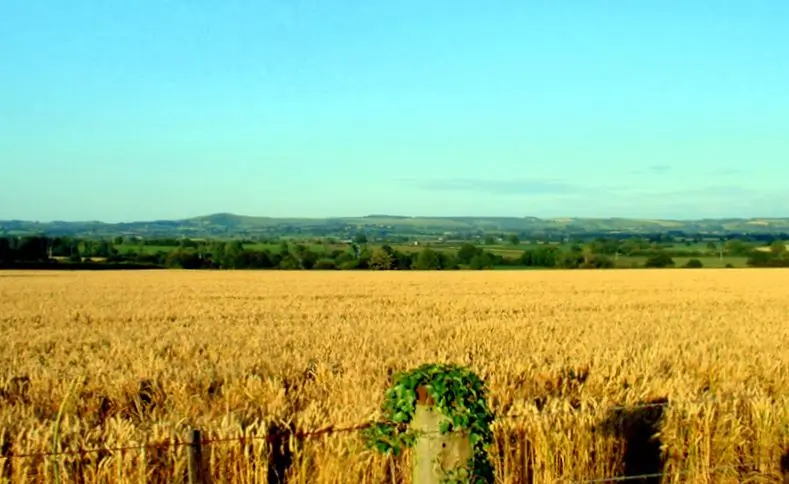
Arable land is essential for growing crops and sustaining agriculture, playing a crucial role in feeding the world’s population and supporting economies. As global demands for food and land use evolve, understanding the dynamics of arable land becomes increasingly important. This article explores the concept of arable land, its significance, challenges, and the future outlook for agricultural sustainability.
What is Arable Land?
Arable land refers to land that is suitable for growing crops. It is characterized by its fertility, soil quality, and the ability to support agricultural activities. Unlike pastures or forests, arable land is specifically designated for the cultivation of crops such as grains, vegetables, and legumes.
- Characteristics of Arable Land:
- Soil Quality: Arable land typically has rich, fertile soil that supports plant growth. This includes a good balance of nutrients, organic matter, and appropriate soil texture.
- Topography: Ideally, arable land is relatively flat or gently sloping to facilitate farming operations and water drainage.
- Climate: The climate of arable land must be conducive to crop growth, with adequate rainfall and suitable temperatures.
Importance of Arable Land
Arable land is fundamental to food production and has significant implications for global food security, economic development, and environmental sustainability.
- Food Security: Arable land is the primary source of the world’s food supply. It provides the space needed to grow essential crops that feed billions of people. Ensuring the availability and productivity of arable land is crucial for preventing hunger and malnutrition.
- Economic Impact: Agriculture is a major economic sector in many countries. Arable land supports the livelihoods of millions of farmers and contributes to national and global economies. It also impacts related industries, including food processing and distribution.
- Cultural and Social Value: Farming practices on arable land often have cultural significance and are integral to the traditions and lifestyles of many communities. Agricultural landscapes shape rural identities and community life.
Challenges Facing Arable Land
Despite its importance, arable land faces several challenges that threaten its availability and productivity.
- Land Degradation: Overuse of arable land can lead to soil degradation, including erosion, salinization, and loss of fertility. Practices such as monoculture and intensive farming can exacerbate these issues.
- Urbanization: As populations grow and urban areas expand, arable land is often converted into residential, commercial, and industrial zones. This reduces the amount of land available for agriculture.
- Climate Change: Climate change impacts arable land through altered precipitation patterns, increased temperatures, and extreme weather events. These changes can affect crop yields and soil health.
- Water Scarcity: Agriculture requires substantial amounts of water. In regions experiencing water scarcity, maintaining arable land can become challenging. Over-extraction of water resources can also lead to the depletion of aquifers and reduced soil moisture.
- Pollution: Agricultural practices can contribute to pollution through the use of pesticides and fertilizers. Runoff from these chemicals can contaminate water sources and harm ecosystems.

Sustainable Practices for Arable Land
To address the challenges facing arable land, sustainable agricultural practices are essential. These practices aim to improve productivity while minimizing environmental impact and preserving land resources for future generations.
- Crop Rotation: Rotating crops helps maintain soil fertility and reduce the risk of pest and disease buildup. It also prevents the depletion of specific nutrients from the soil.
- Conservation Tillage: Reducing tillage or using no-till methods helps preserve soil structure, reduce erosion, and improve water retention. Conservation tillage practices also enhance soil organic matter.
- Organic Farming: Organic farming avoids synthetic chemicals and emphasizes natural processes and inputs. It promotes soil health through composting, cover cropping, and integrated pest management.
- Water Management: Efficient irrigation techniques, such as drip irrigation and rainwater harvesting, help conserve water and reduce waste. Implementing soil moisture monitoring can optimize water use in crop production.
- Agroforestry: Integrating trees and shrubs into agricultural systems can improve soil health, increase biodiversity, and provide additional income sources. Agroforestry practices can enhance the resilience of arable land to climate change.
The Future of Arable Land
The future of arable land depends on how effectively we address current challenges and adopt innovative solutions.
- Technological Advancements: Advances in agricultural technology, such as precision farming, drones, and remote sensing, can improve crop management and optimize the use of arable land. These technologies enable more accurate monitoring of soil conditions, crop health, and resource use.
- Policy and Regulation: Governments and organizations play a crucial role in managing arable land through policies and regulations. Protecting arable land from urban sprawl, promoting sustainable practices, and investing in research are essential for ensuring long-term agricultural productivity.
- Education and Awareness: Educating farmers and stakeholders about sustainable practices and the importance of arable land is key to fostering responsible land management. Awareness campaigns can encourage the adoption of practices that enhance soil health and reduce environmental impact.
Arable land is a vital resource for global food production, economic stability, and cultural heritage. Understanding its importance, challenges, and the need for sustainable practices is crucial for maintaining its productivity and ensuring food security for future generations. By addressing the challenges and embracing innovative solutions, we can protect and enhance arable land, contributing to a more sustainable and resilient agricultural system.
As we move forward, the collaborative efforts of farmers, policymakers, researchers, and consumers will be essential in preserving this invaluable resource and promoting responsible land stewardship.