The Alford plea is a unique and often misunderstood aspect of the American legal system. Named after the landmark case of North Carolina v. Alford (1970), this plea allows defendants to maintain their innocence while pleading guilty to a crime. In this article, we’ll delve into what the Alford plea entails, its legal implications, and its impact on the justice system.
What is an Alford Plea?
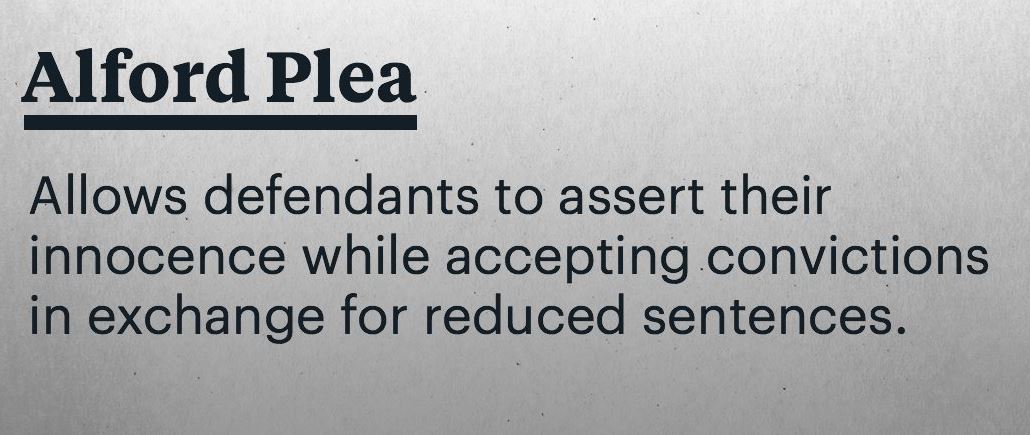
An Alford plea is a legal maneuver that permits a defendant to plead guilty to a criminal charge while simultaneously asserting their innocence. This plea is named after the case North Carolina v. Alford, where the Supreme Court ruled that a defendant could enter a guilty plea despite claiming innocence if they understood the evidence against them and believed a conviction was likely.
How Does the Alford Plea Work?
- Pleading Guilty While Claiming Innocence: The core of the Alford plea is that the defendant acknowledges the evidence against them and accepts that a conviction is probable, but they do not admit to committing the crime.
- Avoiding a Trial: By opting for an Alford plea, defendants can avoid the uncertainties and risks of a trial, including the possibility of a harsher sentence if convicted.
- Legal Strategy: This plea is often used as a strategic move when the evidence against the defendant is overwhelming, but they maintain their innocence for various reasons, such as protecting their reputation or avoiding a lengthy trial.
The Legal Basis of the Alford Plea
The Alford plea stems from the Supreme Court decision in North Carolina v. Alford. In this case, Henry Alford was charged with first-degree murder. Despite maintaining his innocence, he entered a guilty plea due to the strong evidence against him and the potential for the death penalty if convicted at trial. The Supreme Court ruled that a guilty plea could be accepted even when the defendant professes innocence, as long as the plea is made voluntarily and with full knowledge of the evidence and consequences.
Pros and Cons of the Alford Plea
Pros:
- Reduced Sentencing: Defendants may receive a more lenient sentence than if they were convicted at trial.
- Avoiding Trial Risks: Pleading guilty, even while maintaining innocence, can mitigate the risk of a harsher sentence.
- Quick Resolution: The plea can lead to a faster resolution of the case compared to a lengthy trial.
Cons:
- Stigma: Despite claiming innocence, a guilty plea can carry a social and legal stigma.
- Limited Appeal: Once an Alford plea is accepted, it can be challenging to appeal the case on the grounds of innocence.
- Potential for Misuse: Critics argue that the plea can be used to coerce innocent defendants into accepting a guilty plea to avoid a trial.
The Alford Plea in Practice
The Alford plea is not universally accepted and its application varies by jurisdiction. Some courts and legal systems are more accepting of this plea, while others may be reluctant to grant it. Its use can be controversial, particularly in cases where the defendant’s innocence is strongly contested.
Notable Cases Involving the Alford Plea
Several high-profile cases have involved the Alford plea, illustrating its complexities and implications. One notable example is the case of the West Memphis Three, where three men were convicted of a brutal crime despite maintaining their innocence. The Alford plea played a role in their eventual release, highlighting both the potential benefits and the inherent risks of this legal strategy.
The Impact of the Alford Plea on the Justice System
The Alford plea represents a compromise in the legal system, balancing the need for efficiency with the rights of defendants. It allows for the resolution of cases without a trial, which can be beneficial in terms of judicial resources and reducing case backlogs. However, it also raises ethical and legal questions about the balance between justice and procedural efficiency.
The Alford plea is a fascinating and complex aspect of criminal law that continues to provoke debate. It provides a unique avenue for defendants to navigate the legal system, offering a way to resolve cases while maintaining innocence. Understanding the Alford plea helps illuminate the broader issues of justice, plea bargaining, and the legal process.