Rosa sericea, often known as the Silk Rose, is a remarkable species of rose with unique characteristics that set it apart from other varieties. Native to parts of Asia, this rose is not just admired for its beauty but also valued for its various uses in traditional medicine and horticulture. In this comprehensive guide, we’ll explore what makes Rosa sericea special, its benefits, and how it can be incorporated into your garden or wellness routine.
What Is Rosa Sericea?
Rosa sericea is a species of rose that belongs to the Rosaceae family. It is characterized by its distinctive silky leaves and striking flowers. The name “sericea” comes from the Latin word “sericum,” meaning silk, which refers to the fine, soft texture of the plant’s foliage. This rose species is native to the mountainous regions of China, India, and Nepal, where it thrives in cool, temperate climates.
Characteristics of Rosa Sericea
Rosa sericea is notable for several features:
- Leaves: The leaves of Rosa sericea have a unique silky texture, giving them a soft, lustrous appearance. They are often covered with fine hairs that create a delicate sheen.
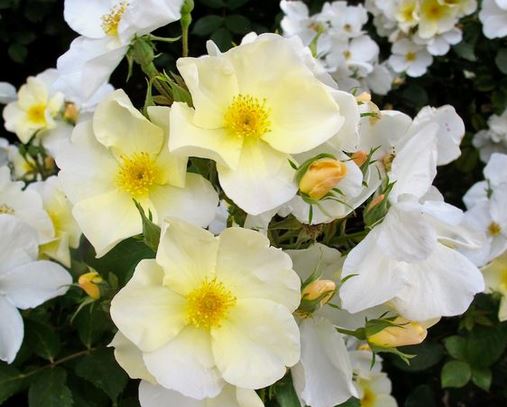
- Flowers: The flowers of Rosa sericea are usually small but vibrant. They can range in color from pale pink to red and are often clustered together, creating a striking display.
- Thorns: Like many roses, Rosa sericea has thorns on its stems. These thorns are not only a defense mechanism but also contribute to the plant’s rugged appearance.
- Growth Habit: Rosa sericea typically grows as a shrub or climbing rose, making it suitable for various garden designs. It can reach heights of up to 10 feet (3 meters) and spreads out to form a dense, attractive cover.
Benefits of Rosa Sericea
Rosa sericea is valued for its beauty and versatility, but it also offers several practical benefits:
- Ornamental Value: The unique appearance of Rosa sericea makes it a popular choice for ornamental gardens. Its silky leaves and vibrant flowers add texture and color to landscapes.
- Traditional Medicine: In traditional medicine, Rosa sericea has been used for various purposes. Its leaves and flowers are sometimes used in herbal remedies for their potential anti-inflammatory and antioxidant properties. Some cultures use the rose in treatments for digestive issues and skin conditions.
- Erosion Control: The dense growth habit of Rosa sericea makes it effective for controlling soil erosion. It can be planted on slopes or embankments to stabilize the soil and prevent runoff.
Growing and Caring for Rosa Sericea
Rosa sericea is relatively easy to grow, but it does require some specific conditions to thrive:
- Climate: Rosa sericea prefers cool to temperate climates. It can tolerate cold temperatures and is often found in mountainous regions. It thrives in well-drained soil with moderate moisture.
- Sunlight: This rose species enjoys full sun but can also tolerate partial shade. Ensure it receives at least 4-6 hours of direct sunlight each day for optimal growth and flowering.
- Soil: Well-drained soil is crucial for Rosa sericea. It prefers soil that is rich in organic matter but can adapt to various soil types as long as drainage is good.
- Watering: While Rosa sericea is relatively drought-tolerant once established, it benefits from regular watering, especially during dry periods. Avoid waterlogging, as this can lead to root rot.
- Pruning: Pruning is important to maintain the plant’s shape and encourage new growth. Remove dead or diseased wood and trim back overgrown branches to keep the plant healthy and vibrant.
Uses of Rosa Sericea in Landscaping
Rosa sericea can be used in various landscaping applications:
- Garden Beds: Plant Rosa sericea in garden beds to add a unique touch to your landscape. Its vibrant flowers and silky leaves create an eye-catching focal point.
- Ground Cover: The dense growth habit of Rosa sericea makes it suitable for use as ground cover. It can help suppress weeds and provide a lush, green backdrop in garden beds.
- Climbers: As a climbing rose, Rosa sericea can be trained to grow along trellises, arbors, or fences. Its climbing habit adds vertical interest and can enhance the overall design of your garden.
Potential Challenges
While Rosa sericea is a hardy plant, there are a few challenges to be aware of:
- Pests and Diseases: Like other roses, Rosa sericea can be susceptible to pests such as aphids and diseases like powdery mildew. Regular monitoring and appropriate treatments can help manage these issues.
- Winter Care: In colder climates, Rosa sericea may require some protection during winter to prevent damage from frost. Mulching around the base of the plant can help insulate the roots.
Rosa sericea, or the Silk Rose, is a captivating plant with a range of benefits. From its unique appearance and ornamental value to its traditional medicinal uses and role in erosion control, this rose species is a versatile addition to any garden. By understanding its needs and characteristics, you can successfully cultivate Rosa sericea and enjoy its beauty and benefits in your landscape.
Whether you’re an avid gardener, a landscape designer, or simply someone who appreciates the beauty of unique plants, Rosa sericea offers a rich combination of aesthetic appeal and practical advantages. Embrace the elegance of this remarkable rose and discover how it can enhance your garden and contribute to your well-being.